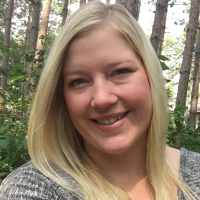
About Connie
Connie Toavs is a licensed clinical social worker who helps people facing stress, anxiety, grief, relationship and intimacy concerns, and life changes. She uses straightforward, steady care to help clients understand what they are feeling and to find ways to cope. Connie brings ten years of experience to her work and practices in Minnesota.
Connie draws on knowledge from psychology, gerontology, and social work to shape practical sessions. She listens for repeated patterns in relationships and daily life, then helps clients see how those patterns affect emotions and behavior.
Background and approach
Conversations often include life review and reflection to clarify what matters most to each person. In sessions she explains how emotions show up physically and how thoughts and actions influence mood. Then she and the client choose realistic strategies to change what isn’t working.
Techniques may include focused talk, mindfulness, and exercises to shift thinking and connection with others. Connie aims to create a calm, welcoming space without judgment. Her manner is steady and patient, which helps people feel safe to talk about difficult topics like trauma, chronic illness, caregiving, or end-of-life concerns.
She works with a broad range of concerns including addiction, sexual concerns such as BDSM and kink topics, loneliness, career struggles, caregiver stress, and mood disorders. Connie holds LCSW and LICSW credentials and brings a practical, collaborative style to each session.
How therapeutic approaches shape online sessions
Attachment-based work focuses on how early relationships affect current connections and emotional reactions; it helps people understand patterns in intimacy and repair strained bonds. Client-centered therapy emphasizes listening and collaboration, giving people space to lead the conversation while the therapist reflects what is heard to build clarity and trust. Cognitive Behavioral Therapy (CBT) looks at thoughts, feelings, and behaviors together and uses practical exercises to change unhelpful thinking and ease symptoms like anxiety and depression.Choosing the right approach is part of the process. Connie will work together with each person to identify goals and try approaches that fit those goals. Sessions are collaborative - methods are adjusted over time to match progress and changing needs.
Online therapy offers several practical benefits. Video calls let people connect face to face when scheduling or travel is difficult. Phone sessions are useful when a quick check-in is needed or bandwidth is limited. Live chat and text-based messaging allow shorter, flexible check-ins between sessions and can help maintain momentum on tough days. These options make it easier to fit consistent therapy into a busy life while using evidence-informed approaches to guide the work.
Frequently asked questions
What issues does Connie commonly address?
What is Connie's general therapy style?
What kind of professional background does she have?
What credentials and location are listed?
Which languages are supported for sessions?
How are sessions delivered?
How is cost handled for therapy?
What steps do I take to begin working together?
Specialties and expertise
Top specialties
Also works with
- Addictions
- Aging and geriatric issues
- BDSM, kink, and alternative sex culture
- Cancer
- Career difficulties
- Caregiver issues and stress
- Chronic pain, illness, and disability
- Co-morbidity
- Codependency
- Commitment issues
- Communication problems
- Compassion fatigue
- Coping with life changes
- Depression
- Emptiness
- Guilt and shame
- Hospice and end-of-life counseling
- Intimacy-related issues
- Isolation / loneliness
- LGBT
- Life purpose
- Mood disorders
- Panic disorder and panic attacks
- Post-traumatic stress
- Process addiction (porn, exercise, gambling)
- Relationship issues
- Self esteem
- Self-love
- Sexuality
- Traumatic brain injury
- Women's issues
- Young adult issues
Therapeutic approaches
- Experience
- 10 years
- Licensed
- Minnesota, Wisconsin
- Languages
- English