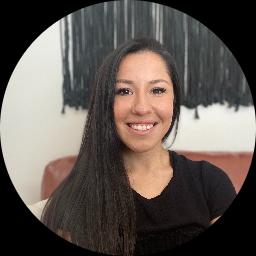
About Clarissa
Clarissa Amorino is a licensed clinical social worker who helps people facing stress, anxiety, trauma, addiction, low self-esteem, and depression. She presents a calm, down-to-earth presence and focuses on practical steps people can use right away. Clarissa emphasizes each person’s strengths and choices when deciding what to work on together.
She sees therapy as a collaborative process. Sessions begin with where the person is now and what feels most urgent.
Background and approach
Clarissa uses clear tools and simple skills people can practice between meetings to manage panic, mood dips, and overwhelming days. Her background includes five years of clinical experience working with adults in Utah. That time has included supporting people through substance concerns, trauma-related reactions, and major life changes.
She pairs hands-on coping strategies with attention to how past experiences shape present feelings. Clarissa draws on client-centered approaches that prioritize the person’s goals. She also uses elements of dialectical behavior therapy to teach emotion regulation and mindfulness techniques to reduce reactivity.
Trauma-focused methods are used when past harm is central to current struggles. In sessions she keeps language simple and practical. People often leave with one or two clear steps they can try before the next meeting.
Her aim is to help people build confidence, reduce distress, and move toward a more balanced life.
How her approaches translate to online therapy
Client-centered therapy focuses on the person’s priorities and choices. The therapist listens closely and helps people set goals that feel meaningful to them. This approach works well for stress, low self-esteem, and making life changes.Dialectical Behavior Therapy, or DBT, teaches concrete skills for regulating emotion and reducing impulsive reactions. These skills help with panic attacks, intense anxiety, and patterns that lead to substance use. Mindfulness techniques are also used to increase awareness and reduce reactivity during stressful moments.
Choosing the right approach is a collaborative process. The therapist will talk with the person about what feels most urgent and which methods match their goals and preferences. Plans are adjusted over time based on how well strategies are working.
Online sessions make it easier to fit therapy into a busy life. Video calls allow face-to-face conversation when deeper discussion is needed. Phone sessions can be an option when video is difficult or bandwidth is limited. Live chat and text-based messaging are useful for quick check-ins, skill practice, or shorter updates between longer sessions.
Frequently asked questions
What kinds of concerns does she help with?
What is her general approach in sessions?
How much clinical experience does she have?
What are her credentials and where is she based?
Which languages are sessions offered in?
What session formats are available?
How does payment and cost work?
How do I begin working with her?
Specialties and expertise
Top specialties
Also works with
Therapeutic approaches
- Experience
- 5 years
- Licensed
- Utah
- Languages
- English