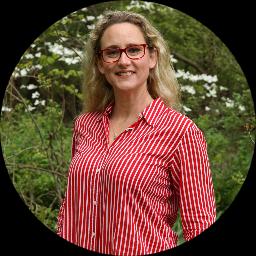
About Cynthia
Cynthia "Cindy" Chizewick uses practical, evidence-informed approaches to help people regain a sense of control in their lives. She is a licensed clinical social worker - LCSW - with 15 years of experience supporting people facing stress, anxiety, depression and addiction. Cindy writes plainly and aims to make therapy usable in everyday life.
Her sessions focus on what is getting in the way of daily functioning and wellbeing. She helps people who are coping with grief, trauma and abuse, mood concerns such as bipolar disorder, and problems like panic attacks or sleep disturbance.
Background and approach
She also supports those struggling with substance use, codependency, narcissistic dynamics, and work or career stress. Cindy draws from Acceptance and Commitment Therapy, Cognitive Behavioral Therapy, mindfulness practices and EMDR to address painful memories and patterns. She uses client-centered conversation and motivational interviewing to build goals that feel realistic.
Therapy is collaborative and tailored to each person’s needs. Her background includes work across community and clinical settings for over a decade. She brings practical strategies for managing anger, improving self-esteem, and coping with life transitions like midlife shifts or job loss.
First responder and veteran concerns are part of her experience. Cindy holds credentials as an LCSW and an LISW in the states listed on her profile. Sessions are offered in English and can take place by video, phone, live chat, or text messaging.
People begin by completing a short questionnaire and scheduling according to availability.
Therapeutic approaches you can use online
Cynthia often uses Acceptance and Commitment Therapy and Cognitive Behavioral Therapy in online work. ACT helps people notice painful thoughts and choose actions that match their values, which can reduce avoidance and build meaningful routines. CBT focuses on changing unhelpful thinking and behavior patterns to lower anxiety and improve mood.She also brings mindfulness practices into sessions to teach simple attention and breathing skills that reduce stress in day-to-day life. When trauma memories are present, EMDR is an option to process disturbing memories and lessen their hold on daily functioning.
Picking the right approach is part of the work together. The therapist will ask about your goals, history, and what feels doable, then suggest methods that match those needs. Decisions are collaborative and can change as progress is made.
Online formats include video calls, phone sessions, live chat, and text-based messaging. Video is useful for full sessions and visual cues, phone can be easier when bandwidth is limited, live chat supports shorter check-ins, and messaging lets people write between sessions. These options make scheduling more flexible and help therapy fit into busy lives.
Frequently asked questions
What kinds of problems does she help with?
What is her therapeutic style like?
How much experience does she have?
What credentials and location apply to this therapist?
Which languages are supported and can international clients join?
In what formats are sessions provided?
How are fees handled?
How do I get started with this therapist?
Specialties and expertise
Top specialties
Also works with
- Abandonment
- ADHD
- Anger management
- Attachment issues
- Bipolar disorder
- Blended family issues
- Career difficulties
- Codependency
- Compassion fatigue
- Control issues
- Coping with life changes
- Coping with natural or human-caused disaster
- Depression
- Drug and alcohol addiction
- Family conflicts
- First responder issues
- Guilt and shame
- Isolation / loneliness
- LGBT
- Life purpose
- Midlife crisis
- Narcissism
- Panic disorder and panic attacks
- Parenting issues
- Post-traumatic stress
- Relationship issues
- Self esteem
- Sleeping disorders
- Social anxiety and phobia
- Trauma and abuse
- Veteran and Armed Forces Issues
- Women's issues
- Young adult issues
Therapeutic approaches
- Experience
- 15 years
- Licensed
- Ohio, Arizona
- Languages
- English