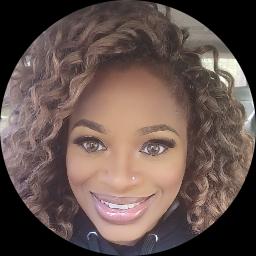
About Cherysh
Cherysh Green-Caldwell is a Licensed Clinical Social Worker who brings seven years of hands-on experience in mental health and substance abuse care. She earned her Master’s Degree in Social Work at Albany State University and practices from Georgia. Cherysh focuses on helping people manage stress, anxiety, depression, addiction concerns, grief, and relationship struggles.
Her background includes work in mental health and substance abuse programs, hospice care, and criminal justice treatment settings.
Background and approach
She has provided supervision to social work students, interns, and professionals, and has led both individual and group work. These roles gave her experience with chronic illness, chronic mental illness, and complicated grief reactions. Cherysh uses a blend of approaches to match what each person needs.
She draws on Acceptance and Commitment Therapy, Cognitive Behavioral Therapy, Emotionally-Focused Therapy, client-centered methods, and mindfulness practices. She works with clients to set practical goals and checks progress along the way. In sessions she aims to create an open, nonjudgmental space where people can talk about feelings and struggles.
She helps clients break down big problems into manageable steps and build skills for coping with life changes, impulsivity, anger, and caregiver stress. Cherysh also supports people dealing with substance use, first responder stress, chronic pain and illness, and multicultural concerns. Her style is collaborative and grounded in real-life needs, with attention to improving day-to-day functioning.
Therapeutic approaches for online care
Acceptance and Commitment Therapy helps people notice unhelpful thoughts and choose actions that align with what matters to them. It can be useful for stress, anxiety, addiction struggles, and finding direction during life changes. Cognitive Behavioral Therapy focuses on the links between thoughts, feelings, and behaviors and teaches practical skills to change patterns that keep problems going. CBT can help with depression, anxiety, and managing impulsive reactions.Finding the right approach is part of the work together. The therapist will talk with the client about goals, try methods that fit their needs, and adjust the plan over time. This collaborative process helps shape sessions around what actually helps the person make progress.
Online sessions use video calls, phone sessions, live chat, or text-based messaging to make therapy more flexible. Video calls allow face-to-face conversation when visual cues matter. Phone sessions can be a good option when bandwidth is limited or when a shorter check-in fits the day. Live chat and text-based messaging let people share thoughts in writing and fit support around busy schedules. These formats help people access therapy from different places and at different times while keeping the focus on practical, usable skills.
Frequently asked questions
What concerns does this therapist address?
What is her therapeutic style like?
What is her background and experience?
Where is she licensed and based?
Which languages are sessions offered in?
What session formats are available?
How are costs and billing handled?
How do I begin working with this therapist?
Specialties and expertise
Top specialties
- Addictions
- Self esteem
- Career difficulties
Also works with
- ADHD
- Anger management
- Antisocial personality
- Caregiver issues and stress
- Chronic pain, illness, and disability
- Co-morbidity
- Coaching
- Compassion fatigue
- Coping with life changes
- Depression
- Domestic violence
- Drug and alcohol addiction
- Family conflicts
- First responder issues
- Grief
- Guilt and shame
- Hospice and end-of-life counseling
- Impulsivity
- Isolation / loneliness
- Life purpose
- Money and financial issues
- Mood disorders
- Multicultural concerns
- Personality disorders
- Relationship issues
- Self-love
- Stress, Anxiety
- Trauma and abuse
- Women's issues
- Workplace issues
Therapeutic approaches
- Experience
- 7 years
- Licensed
- Georgia
- Languages
- English