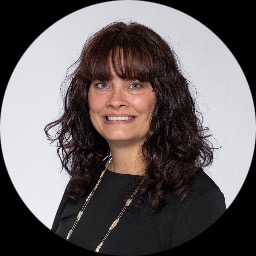
About Chelsea
Chelsea Vargas is a Licensed Clinical Social Worker who provides therapy to adults. She focuses on practical skills and clear steps to help people manage stress, anxiety, addiction, grief, and major life changes. Her tone is direct and collaborative so clients know what to expect each week.
Chelsea draws on Cognitive Behavioral Therapy and Dialectical Behavior Therapy to offer tools for coping and problem solving. Sessions often mix skill practice with chances to talk through painful memories and feelings.
Background and approach
She keeps language simple and gives concrete exercises clients can use between sessions. Her background includes work in outpatient clinics, hospitals, and crisis settings. That variety shaped how she responds to people in distress and to co-occurring mental health and substance use concerns.
Chelsea aims to be steady and practical when situations feel overwhelming. She emphasizes a strengths-based, trauma-informed approach. Clients are treated as the experts on their own lives while Chelsea helps identify patterns and build new strategies.
The goal is clearer thinking, better emotion regulation, and daily habits that support wellbeing. Chelsea also supports people through relationship strain, attachment issues, and life purpose questions. She routinely helps with communication problems, codependency, and navigation of separation or divorce.
Her style is straightforward and focused on tangible progress. In sessions she prioritizes safety and real-world change. Expect a mix of talking, teaching, and skill-building exercises.
Chelsea works with clients to set achievable goals and track progress over time.
How CBT and DBT translate to online therapy
CBT, or Cognitive Behavioral Therapy, focuses on the link between thoughts, feelings, and actions. It uses clear exercises to change unhelpful thinking and to build everyday habits that reduce anxiety and improve mood. DBT, or Dialectical Behavior Therapy, teaches practical skills for emotion regulation, distress tolerance, and clearer communication. It is useful for intense emotions and when people need step-by-step tools.Finding the right approach is part of the process. Chelsea works collaboratively with each person to decide whether CBT, DBT, or a mix will help reach their goals. She checks in regularly and adjusts techniques based on how things are going and what the person prefers.
Online formats make therapy easier to fit into daily life. Video calls allow full conversation and visual cues. Phone sessions can be a good option when bandwidth is limited or for a shorter check-in. Live chat and text-based messaging work well for quick skill coaching, brief reflections, or when someone prefers to write rather than speak. These options help people keep momentum between sessions and make it simpler to practice new skills in real-world moments.
Frequently asked questions
What concerns does this therapist address?
What is the therapeutic style like?
What experience does the therapist have?
What are the therapist's credentials and location?
Are sessions offered in other languages or internationally?
What session formats are available?
How are costs handled?
How does someone begin working with this therapist?
Specialties and expertise
Top specialties
Also works with
- Attachment issues
- Autism and Asperger Syndrome
- Codependency
- Communication problems
- Coping with life changes
- Divorce and separation
- Drug and alcohol addiction
- First responder issues
- Forgiveness
- Grief
- Guilt and shame
- Intellectual disability
- Life purpose
- Men's issues
- Midlife crisis
- Post-traumatic stress
- Postpartum depression
- Self-harm
- Self-love
- Sexual dysfunction
- Smoking / vaping cessation
- Veteran and Armed Forces Issues
- Women's issues
- Workplace issues
- Young adult issues
Therapeutic approaches
- Experience
- 3 years
- Licensed
- Texas
- Languages
- English