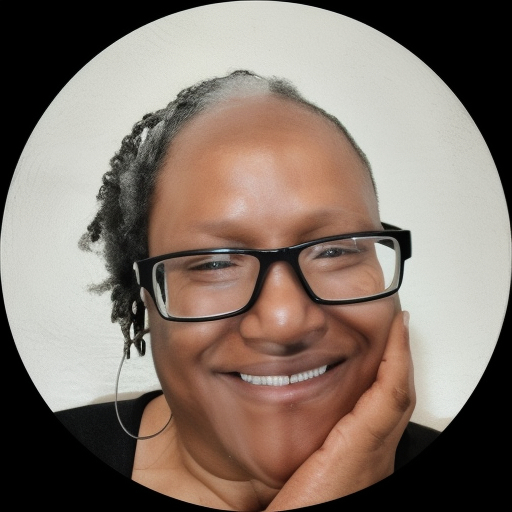
About Celeste
Celeste Sharone Cheathman helps people who feel overwhelmed by persistent worry, low mood, or traumatic memories. She focuses on practical steps that make day-to-day life feel more manageable. Celeste works with adults who struggle with anxiety, depression, bipolar mood concerns, panic, or social fears.
She also helps people facing shame, isolation, attachment struggles, and questions about life purpose. Celeste is a licensed clinical social worker, LCSW, practicing in Nevada. Her style is warm and collaborative.
Background and approach
Sessions aim to identify clear problems, set realistic goals, and try steps that can be tested between meetings. She prefers plain language and concrete tools over jargon. In sessions she pays attention to how relationships and past hurts shape present reactions.
Conversations often include building communication skills, practicing ways to calm the body, and changing habits that keep problems going. Work on self-compassion and forgiveness is offered when people feel stuck by guilt or shame. She draws on evidence-based therapeutic techniques to guide the work, adapting them to each person’s pace and needs.
Celeste values cultural responsiveness and treats each story as unique. Her goal is to help people build resilience and clearer day-to-day routines. Therapy can include short skill practices, talking through recent events, and planning small experiments to test new ways of coping.
Many clients follow a step-by-step plan and check progress together each session.
Approaches that guide online work and practical benefits
Two evidence-informed methods often shape the work. One focuses on building coping skills and routines - practical steps to reduce panic, manage mood swings, and ease day-to-day anxiety. This approach uses short exercises and practice tasks to change unhelpful patterns. Another emphasizes processing traumatic memories and their emotional impact in a steady, paced way to lessen avoidance and reduce distress over time. Both approaches aim to make daily life more manageable rather than just talking about feelings.Finding the right approach is part of the work together. The therapist will discuss options and try methods that match the client's goals and comfort level. Choices are revisited as progress is tracked so the plan can change if something isn't helpful. The process is collaborative and paced to the person's needs.
Online formats include video calls, phone sessions, live chat, and text-based messaging to fit different lifestyles. Video sessions allow face-to-face conversation and skills practice. Phone sessions can be easier when bandwidth is limited or a shorter check-in is needed. Live chat and text messaging support brief updates, coping reminders, and ongoing contact between longer sessions. These options make it easier to schedule therapy around work and family life and to maintain momentum between meetings.
Frequently asked questions
What concerns does this therapist address?
How would you describe the therapeutic style?
What experience does the therapist have?
What are the therapist's credentials and location?
Which languages are supported and are international clients accepted?
What session formats are available?
How is cost handled for sessions?
How do I begin working with this therapist?
Specialties and expertise
Top specialties
Also works with
- Experience
- 4 years
- Licensed
- Nevada
- Languages
- English