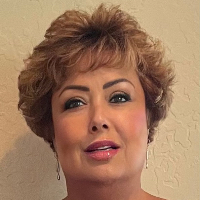
About Catherine
Catherine (Cathy) Groh helps people facing stress, anxiety, grief, depression, and life changes. She supports individuals dealing with relationship and intimacy concerns, addictions, trauma and abuse, and challenges around eating, sleeping, anger, and self-esteem. Cathy also addresses work and career stress, compassion fatigue, and attention-related struggles like ADHD.
Cathy practices in California and holds a Licensed Clinical Social Worker credential, LCSW. She brings ten years of experience to her current work.
Background and approach
Sessions are offered in English and use a range of conversation styles to meet each person’s needs. Her style is warm, direct, and collaborative. She listens closely and follows what matters most to the person in front of her.
Clients set goals and Cathy uses short-term, practical steps alongside deeper conversation to help people move forward. She often uses client-centered work to let the person lead the pace and focus of sessions. Motivational interviewing is used when someone is weighing change or struggling to take the next step.
Solution-focused therapy helps when a person wants clear, goal-driven plans and quick tools to try between sessions. Cathy works with a wide range of concerns that touch family, relationships, and personal functioning, including attachment and abandonment issues, blended family dynamics, codependency, infidelity, and communication problems.
She also addresses body image, eating and food-related issues, and the effects of domestic violence and family-of-origin problems. Her approach aims to make progress in ways that fit each person’s life and priorities.
Approaches that guide online sessions
Client-centered therapy focuses on the person’s own priorities. The therapist listens closely and follows the client’s lead so sessions match what matters most. This approach can help with grief, self-esteem, relationship worries, and times of life change.Motivational interviewing helps when someone feels stuck about change. It uses questions and reflections to clarify ambivalence and build motivation for steps like cutting back on addictive behaviors or making a big life decision.
Solution-focused therapy looks for small, practical steps that make an immediate difference. It is useful when someone wants clear goals and tools to try between meetings, such as improving sleep routines or better communication habits.
Finding the right mix of approaches is part of the work. The therapist will collaborate with each person to choose methods that match their needs, goals, and preferences. That team effort helps tailor sessions so they feel useful and realistic.
Online sessions are offered by licensed professionals using video calls, phone sessions, live chat, or text-based messaging. Video is useful for fuller conversation and nonverbal cues, phone works when bandwidth is limited or for a quicker check-in, live chat fits brief focused exchanges, and text messaging can support ongoing check-ins between appointments. These options make it easier to fit therapy into busy lives and different schedules.
Frequently asked questions
What kinds of concerns does Cathy help with?
What is her style of therapy like?
How much experience does she have?
Where is she licensed and based?
Which languages are supported for sessions?
What session formats are available?
How is cost handled for sessions?
How do I begin working with Cathy?
Specialties and expertise
Top specialties
- Stress, Anxiety
- Family conflicts
- Grief
Also works with
- Abandonment
- Addictions
- ADHD
- Anger management
- Attachment issues
- Blended family issues
- Body image
- Career difficulties
- Codependency
- Commitment issues
- Communication problems
- Compassion fatigue
- Coping with life changes
- Dependent personality
- Depression
- Divorce and separation
- Domestic violence
- Eating and food-related issues
- Eating disorders
- Family of origin issues
- Family problems
- Infidelity
- Intimacy-related issues
- Jealousy
- Panic disorder and panic attacks
- Phobias
- Relationship issues
- Seasonal Affective Disorder (SAD)
- Self esteem
- Sleeping disorders
- Trauma and abuse
- Women's issues
- Workplace issues
- Young adult issues
Therapeutic approaches
- Experience
- 10 years
- Licensed
- California
- Languages
- English