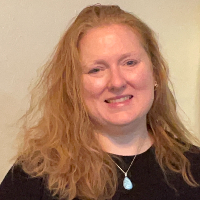
About Catherine
Catherine Barbour is a Licensed Clinical Social Worker in Florida who focuses on helping people manage stress, anxiety, depression, and life changes. She brings a straightforward, strengths-based approach and aims to make counseling practical and approachable for someone juggling a busy life.
She earned a Master of Social Work from the University of Central Florida and has four years of experience in clinical roles. Her background includes work in outdoor therapeutic programs for teens, in-home counseling, and hospital social work.
Background and approach
That variety informs how she adapts methods to fit different situations. Catherine uses a mix of solution-focused work and cognitive behavioral strategies to address immediate problems and build skills. She also incorporates trauma-focused practices when past hurt is part of what brings someone to therapy.
Sessions are collaborative and goal-oriented, with attention to each person’s strengths. She helps people facing parenting stress, family communication problems, grief and loss, addictions, and mood challenges such as bipolar disorder and panic attacks. Catherine also supports those dealing with chronic illness, caregiver strain, or feelings of emptiness and isolation.
Her approach aims to make change feel doable, one step at a time. In sessions she will listen, offer practical tools, and work with clients to set small, measurable goals. People can expect a calm, direct style that focuses on what helps most in daily life.
Catherine practices in Florida as an LCSW and conducts therapy in English.
Approaches that guide online sessions
Cognitive Behavioral Therapy focuses on the link between thoughts, feelings, and actions. In online sessions this approach helps identify unhelpful thinking patterns and build practical coping skills for anxiety, depression, and panic symptoms.Solution-Focused Therapy centers on small, achievable steps rather than long reviews of the past. It is useful for people who want clear goals and quick tools to improve communication, manage stress, or address caregiver strain.
Client-Centered Therapy emphasizes listening and collaboration. The therapist provides a supportive space while helping the person clarify values and decide on next steps for issues like grief, low self-esteem, or life transitions.
Finding the right approach is part of the work together. The therapist will help clients choose or blend methods based on their goals, preferences, and what feels most helpful in early sessions. This is a collaborative process that can change as needs evolve.
Online therapy offers flexible ways to meet: video calls for face-to-face conversation, phone sessions when bandwidth is limited, live chat for brief check-ins, and text-based messaging for ongoing support between sessions. These options make it easier to fit therapy into a busy day, handle short symptom check-ins, or use a quieter check-in without being on camera.
Frequently asked questions
What issues does she commonly address?
What is her therapeutic style like?
What kind of clinical background does she have?
Where is she licensed and located?
In what language are sessions conducted?
What session formats are available?
How are costs and billing handled?
How do I begin working with her?
Specialties and expertise
Top specialties
- Stress, Anxiety
- Family conflicts
- Anger management
Also works with
- Addictions
- ADHD
- Bipolar disorder
- Blended family issues
- Caregiver issues and stress
- Chronic pain, illness, and disability
- Communication problems
- Compassion fatigue
- Coping with life changes
- Coping with natural or human-caused disaster
- Depression
- Emptiness
- Family problems
- Forgiveness
- Grief
- Guilt and shame
- Hospice and end-of-life counseling
- Isolation / loneliness
- Life purpose
- Mood disorders
- Panic disorder and panic attacks
- Parenting issues
- Self esteem
- Self-love
- Social anxiety and phobia
- Trauma and abuse
- Young adult issues
Therapeutic approaches
- Experience
- 4 years
- Licensed
- Florida
- Languages
- English