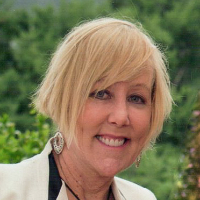
About Carol
Dr. Carol Schmidt greets people who feel stuck, anxious, depressed, or overwhelmed by life changes. She helps with stress, grief, relationship strain, parenting questions, work and career concerns, and mood or attention difficulties.
Carol is a Licensed Clinical Social Worker with ten years of experience and she practices in California. Her sessions are down-to-earth and focused on the issues you bring. She listens first, then helps people notice patterns that cause pain.
Background and approach
Sessions include practical steps to try between meetings and space to talk about what comes up. Carol blends client-centered work with cognitive behavioral strategies and psychodynamic ideas. That means she pays attention to present problems, helps reframe unhelpful thoughts, and also looks at early life influences that shape reactions now.
The mix is chosen to match each person’s needs. She has a background in social work and holds a Ph.D. in counseling psychology, which guides a broad view of emotional health. Over a decade she has supported people dealing with trauma, relationship conflict, OCD symptoms, bipolar mood shifts, and the challenges of parenting and blended families.
In sessions she aims for a calm, straightforward atmosphere where goals are clear. Clients can expect practical coping tools, guided self-reflection, and planning for next steps. The focus is always on helping people feel more in control and more hopeful about their daily life.
Approaches used in online sessions and what they do
Client-Centered Therapy focuses on understanding each person’s experience and building a respectful, accepting relationship. It helps people feel heard and clarifies goals before moving into specific strategies.Cognitive Behavioral Therapy (CBT) looks at how thoughts, feelings, and actions connect. It offers concrete techniques to change unhelpful thinking and reduce anxiety, panic, compulsions, or depressive patterns.
Psychodynamic Therapy pays attention to long-standing patterns that come from earlier relationships and life events. It can help explain why certain reactions recur and open space for new choices in relationships and emotions.
Finding the right mix of approaches is part of therapy. The therapist works together with each person to decide what methods fit their goals and preferences. This is a collaborative process and can shift as needs change.
Online therapy offers practical flexibility. Video calls let people use visual cues and keep a session close to in-person work. Phone sessions work well when video is difficult or bandwidth is limited. Live chat and text-based messaging make shorter check-ins, written reflection, or quick support possible without scheduling a full call. These options help fit therapy into busy lives and different routines.
Frequently asked questions
What concerns does this therapist address?
How would you describe the therapy style?
What is her professional background?
What credentials and location are listed?
Which languages are supported and are international clients accepted?
What session formats are available?
How is cost handled for sessions?
What do I need to do to begin?
Specialties and expertise
Top specialties
- Stress, Anxiety
- Family conflicts
- Grief
Also works with
- ADHD
- Anger management
- Autism and Asperger Syndrome
- Bipolar disorder
- Blended family issues
- Career difficulties
- Coaching
- Codependency
- Coping with life changes
- Depression
- Divorce and separation
- Family problems
- Forgiveness
- Impulsivity
- Intimacy-related issues
- Isolation / loneliness
- Life purpose
- Mood disorders
- Obsessions, compulsions, and OCD
- Panic disorder and panic attacks
- Parenting issues
- Personality disorders
- Relationship issues
- Self esteem
- Social anxiety and phobia
- Somatization
- Trauma and abuse
- Women's issues
- Young adult issues
Therapeutic approaches
- Experience
- 10 years
- Licensed
- California
- Languages
- English