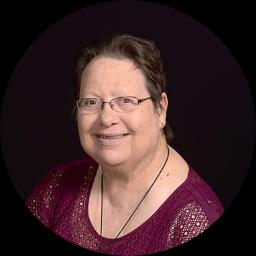
About Camille
Camille Palmer is a licensed clinical social worker in Oklahoma with 27 years of professional experience. She draws on a long history of helping people cope with depression, anxiety, substance use, trauma, and family tensions. Camille aims to make the first steps toward change feel manageable and real for each person she meets.
She creates an open, nonjudgmental space where people can say what they are feeling. Sessions focus on clear, practical conversation rather than jargon.
Background and approach
Camille listens for what matters most and helps individuals set small goals they can act on between meetings. Camille often uses tools from cognitive behavioral approaches to help people notice thinking patterns that keep them stuck. She also brings trauma-focused techniques when past events continue to cause distress.
Her client-centered stance keeps the person’s values and pace at the center of work together. People contact her for many concerns, including stress, addictions, parenting strain, ADHD, grief after disaster, and matters related to gender and sexual identity. She also addresses anger, compassion fatigue, OCD symptoms, panic, and recovery after sexual or domestic violence.
Her background includes long-term clinical work in community and helping professions. Camille works with each person to outline a clear plan and adjust it as progress is made. The goal is steady, realistic steps toward more ease in daily life.
Online approaches that focus on what helps
Client-Centered Therapy centers the person’s own goals and values. The therapist listens closely and follows the person’s pace, helping people feel heard and understood while they decide what to change. Cognitive Behavioral Therapy, or CBT, looks at thoughts and behaviors that keep problems going. It uses straightforward exercises and practice to reduce anxiety, manage mood, and change habits that cause distress. Trauma-Focused Therapy concentrates on experiences that continue to affect day-to-day life, offering ways to process those events and reduce their ongoing impact.Finding the right approach is a collaborative process. The therapist will talk with the person about symptoms, history, and what feels most useful. Together they decide which methods to try first and adjust the plan as progress is made.
Online sessions provide flexible ways to connect. Video calls allow face-to-face conversation when that’s helpful. Phone sessions work well when bandwidth is limited or a shorter check-in is needed. Live chat and text-based messaging can fit brief updates, ongoing coaching, or support between longer meetings. These options make it easier to keep therapy consistent around work, school, or caregiving schedules.
Frequently asked questions
What kinds of concerns does Camille address?
What is her therapeutic style like?
How much experience does she have?
What are her credentials and where is she licensed?
Which languages are supported for sessions?
What session formats are available?
How does billing and cost work?
How do I begin working with her?
Specialties and expertise
Top specialties
- Stress, Anxiety
- Addictions
- Family conflicts
Also works with
- ADHD
- Anger management
- Blended family issues
- Codependency
- Compassion fatigue
- Coping with natural or human-caused disaster
- Depression
- Domestic violence
- Drug and alcohol addiction
- First responder issues
- Gender dysphoria
- HIV / AIDS
- LGBT
- Mood disorders
- Obsessions, compulsions, and OCD
- Panic disorder and panic attacks
- Parenting issues
- Self-harm
- Sexual assault and abuse
- Smoking / vaping cessation
- Social anxiety and phobia
- Trauma and abuse
- Traumatic brain injury
- Women's issues
- Workplace issues
- Young adult issues
Therapeutic approaches
- Experience
- 27 years
- Licensed
- Oklahoma
- Languages
- English