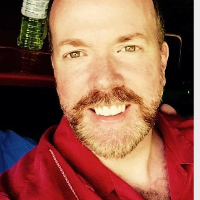
About Brian
Brian Flynn is a licensed clinical social worker who helps people facing stress, anxiety, depression, grief, trauma, and relationship or intimacy concerns. He brings 20 years of experience in New York and works with issues including compassion fatigue, sexuality, and challenges tied to disasters or first responder roles. Brian uses a practical, respectful style in sessions.
He listens first, then helps clients identify small, workable steps. He focuses on strengths and what has helped before, rather than only on problems.
Background and approach
His approach draws on solution-focused methods to set clear goals and find fast, usable changes. He also uses trauma-focused work when past events are getting in the way of daily life. Motivational interviewing helps people find their own reasons to change difficult habits or get through hard transitions.
Sessions are collaborative and straightforward. Brian asks about each person’s hopes and priorities, and he tailors work to those goals. He explains options and helps people choose what fits their life and values.
He supports people dealing with HIV/AIDS concerns, hospice and end-of-life stress, men’s issues, and intimacy-related difficulties. His background includes work with LGBTQ-identifying clients and those coping with post-traumatic stress and disaster-related losses. If someone wants to begin, Brian invites them to describe their goals and schedule an initial meeting.
Approaches that guide online sessions
Motivational Interviewing helps people find their own reasons to make changes. It uses open questions and reflection to strengthen a person’s motivation and commitment to goals, often for habit change or recovery-related work.Solution-Focused Therapy centers on small, practical steps that move someone toward their desired future. Sessions look for what already works and build short-term goals to produce quick, usable change for stress, relationship concerns, or life transitions.
Trauma-Focused Therapy addresses the effects of past traumatic events on daily functioning. It focuses on processing experiences and developing tools to manage strong reactions so people can reclaim routines and relationships.
Finding the right blend of approaches is part of the work. The therapist will talk with each person about needs, goals, and preferences, then try methods that fit. Clients and the therapist adjust the plan together as progress is made.
Online sessions are offered by licensed professionals using video calls, phone sessions, live chat, or text-based messaging. Video calls let people work face-to-face when that helps, phone sessions can be simpler when bandwidth is limited, and text-based formats suit quick check-ins or ongoing support. These options make fitting therapy into work, family, and daily life easier and more flexible.
Frequently asked questions
What kinds of concerns can be addressed here?
How would you describe the therapy style?
What is his background and experience?
What are the credential and location details?
Which languages are sessions offered in?
What session formats are available for online work?
How does payment and cost work?
What do I do to begin therapy?
Specialties and expertise
Top specialties
Also works with
Therapeutic approaches
- Experience
- 20 years
- Licensed
- New York
- Languages
- English