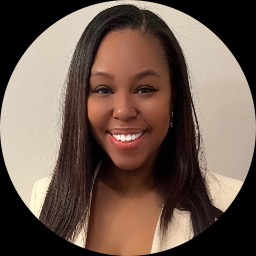
About Bianca
Dr. Bianca Clark helps people facing stress, anxiety, depression, relationship struggles, and the effects of trauma and abuse. She also supports those wrestling with low self-esteem and big life changes.
Her straightforward focus is on practical steps that ease daily life and restore a sense of control. Clark uses clear, goal-focused conversations to identify what matters most to each person. She guides people through skill building for panic, mood shifts, and social anxiety.
Background and approach
She also addresses attachment and abandonment concerns that can underlie relationship patterns. With 16 years of experience and an Illinois LCSW (licensed clinical social worker), Clark blends problem-solving with emotional understanding. Sessions aim to increase self-awareness, improve communication, and reduce shame or isolation.
People often work on concrete tools they can use between sessions. Her approach draws on therapies that teach acceptance, practical thinking, and emotion regulation. She helps people practice new habits, test different ways of relating, and build self-compassion.
The focus is on what helps a person feel steadier and more purposeful in daily life. Clark explains options in plain language and tailors the work to each person’s needs. She invites steady progress rather than quick fixes.
The goal is clearer thinking, healthier patterns, and stronger coping skills over time.
Approaches that translate well to online therapy
Acceptance and Commitment Therapy (ACT) helps people notice painful thoughts without getting stuck in them and clarify what matters most. It’s useful for stress, anxiety, and finding motivation during life changes. Cognitive Behavioral Therapy (CBT) looks at how thoughts, feelings, and actions connect and teaches practical skills to change unhelpful patterns, which can help with panic, mood problems, and social anxiety. Attachment-Based Therapy focuses on how early relationships shape current connections and helps people understand and shift patterns in how they relate to others.Finding the right approach is part of the work. The therapist will talk with each person about goals and preferences, then try methods that fit those needs. That collaborative process helps shape a plan that blends emotional exploration with hands-on practice.
Online therapy can be flexible and accessible. Video calls let people have a fuller conversation with nonverbal cues, while phone sessions work when bandwidth is limited or a quieter setup is needed. Live chat and text messaging are good for brief check-ins, coaching on skills between sessions, or when writing feels easier than speaking. These options make it simpler to fit therapy into busy schedules and to keep momentum between meetings.
Frequently asked questions
What concerns does this therapist help with?
What is her therapeutic style like?
How much clinical experience does she have?
What are her credentials and where is she located?
Which languages are offered for sessions?
In what formats are sessions available?
How are sessions billed and what does it cost?
How do I begin working with her?
Specialties and expertise
Top specialties
- Stress, Anxiety
- Relationship issues
- Trauma and abuse
Also works with
- Abandonment
- Attachment issues
- Caregiver issues and stress
- Communication problems
- Control issues
- Coping with life changes
- Depression
- Forgiveness
- Guilt and shame
- Impulsivity
- Isolation / loneliness
- Life purpose
- Mood disorders
- Panic disorder and panic attacks
- Post-traumatic stress
- Self esteem
- Self-love
- Social anxiety and phobia
Therapeutic approaches
- Experience
- 16 years
- Licensed
- Illinois
- Languages
- English