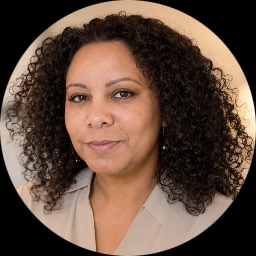
About Barbara
Barbara Mann is a Licensed Clinical Social Worker with 28 years of experience. She helps people facing stress, anxiety, relationship strain, self-esteem struggles, and major life changes. Her style is down-to-earth and direct, with a touch of humor to put people at ease.
She listens carefully and points out patterns that keep problems repeating. Barbara calls attention to thoughts and habits that get in the way and offers clear steps to shift them.
Background and approach
Sessions aim to be practical so people can use what they learn right away. Her background includes long-term work supporting adults through transitions like caregiving strain, blended family challenges, workplace stress, and issues around commitment or infidelity. She also assists people dealing with loneliness, questions about life purpose, and the unique pressures young adults face.
Barbara often uses Cognitive Behavioral Therapy and Solution-Focused Therapy to guide sessions. She helps clients notice unhelpful thinking and build small, achievable plans for change. Her approach blends realistic problem-solving with encouragement to try different strategies.
Sessions are conversational and goal-oriented. She will challenge unhelpful thinking while offering encouragement and practical tools. People who prefer direct feedback and clear steps tend to find her approach useful.
How Barbara’s Approaches Work Online
Barbara uses Cognitive Behavioral Therapy to help people see how thoughts affect feelings and actions, then practice small changes to reduce worry and improve mood. She also uses Solution-Focused Therapy to set clear, short-term goals and build step-by-step plans that move a person toward what they want.Finding the right approach is part of the work together. The therapist will talk with each person about goals and preferences, then try methods that fit those needs. Sessions are collaborative - goals and strategies get adjusted based on what helps most.
Online sessions are offered by video calls, phone, live chat, or text-based messaging to provide flexibility. Video calls let people use visual cues and longer talk time. Phone sessions can be easier when bandwidth is limited or when someone wants to avoid being on camera. Chat and messaging can work well for short check-ins, focused practical work, or when fitting therapy into a busy day.
Frequently asked questions
What concerns does she help with?
How would you describe her therapy style?
What is her clinical background?
What credentials and location are listed?
Which languages are supported?
What session formats are available?
How are fees and payment handled?
How do I begin working with her?
Specialties and expertise
Top specialties
- Stress, Anxiety
- Relationship issues
- Family conflicts
Also works with
Therapeutic approaches
- Experience
- 28 years
- Licensed
- Florida
- Languages
- English