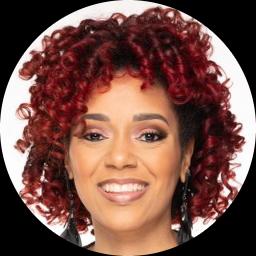
About Andrea
Andrea Moore is a licensed clinical social worker who helps people manage stress, anxiety, grief, and relationship concerns. She brings a direct, compassionate style to sessions. Her work focuses on practical steps people can use right away to feel steadier.
With 23 years of experience, Andrea draws on a range of evidence-based therapeutic techniques. She supports people facing trauma and abuse, depression, addictions, and intimacy-related struggles. She also addresses attachment issues, blended family stress, caregiver strain, and family of origin problems.
Background and approach
Andrea tailors conversations and plans to each person’s situation. She listens for what is working and what needs to change. Then she helps set small, doable goals and tracks progress between sessions.
Clients often bring complex life transitions such as divorce, fertility challenges, midlife questions, or end-of-life concerns. Andrea helps untangle emotions like guilt, shame, emptiness, and grief. She also assists people dealing with impulsivity, infidelity, and questions about life purpose.
Sessions are practical and grounded. Andrea aims to create a respectful and sensitive space where people can speak honestly. She encourages courage in taking steps toward clearer thinking and steadier daily life.
How evidence-based approaches work online
Andrea uses evidence-based therapeutic techniques that focus on practical change. One common approach is structured talk therapy that helps people identify unhelpful thoughts and practice new ways of thinking and acting; this can reduce anxiety and improve mood. Another helpful approach emphasizes emotion-focused work to process trauma, grief, and relationship pain by naming feelings and creating step-by-step ways to cope. Finding the right approach is part of the work together. Andrea will listen to your goals and preferences and suggest methods that fit your situation. The plan is adjusted over time so the chosen methods match what you need and what helps you move forward. Online sessions use video calls, phone sessions, live chat, or text-based messaging to give flexibility. Video mirrors an in-person conversation when face-to-face interaction matters. Phone can be a good choice when bandwidth is low or to fit a short break in the day. Live chat and text messaging are useful for quick check-ins, ongoing support between sessions, and for people who prefer writing over speaking. These options make it easier to fit therapy into work, caregiving, and busy routines.Frequently asked questions
What kinds of concerns can be addressed?
How would you describe the therapeutic style?
What relevant experience does the therapist have?
What are the therapist's credentials and location?
In which language are sessions offered?
What session formats are available?
How does cost and payment work?
How do I begin the process?
Specialties and expertise
Top specialties
- Stress, Anxiety
- Relationship issues
- Trauma and abuse
Also works with
- Addictions
- Attachment issues
- Blended family issues
- Caregiver issues and stress
- Depression
- Divorce and separation
- Emptiness
- Family of origin issues
- Family problems
- Fertility issues
- Forgiveness
- Grief
- Guilt and shame
- Hospice and end-of-life counseling
- Impulsivity
- Infidelity
- Intimacy-related issues
- Life purpose
- Midlife crisis
- Multicultural concerns
- Postpartum depression
- Self-love
- Women's issues
- Workplace issues
- Young adult issues
- Experience
- 23 years
- Licensed
- Illinois
- Languages
- English