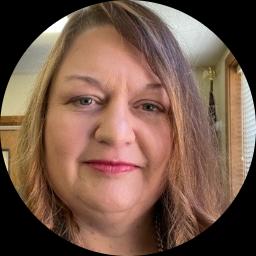
About Amy
Dr. Amy Still is a licensed clinical social worker practicing in North Carolina. She holds an LCSW and brings five years of practical experience helping people who feel overwhelmed by stress, anxiety, anger, or past trauma.
She aims to meet clients where they are and to build on their existing strengths. She focuses on problems that often feel urgent and personal, like low self-esteem, depression, addictions, and panic attacks. She also helps people navigating parenting challenges, major life changes, or the complexities of adoption and foster care.
Background and approach
Her work includes concerns about body image, social anxiety, loneliness, and women’s issues. Amy uses straightforward, evidence-based strategies rather than labels or jargon. Sessions tend to be collaborative and goal-directed, with practical tools for coping, managing emotions, and improving communication.
She encourages small steps that feel doable between visits. Clients can expect a calm, respectful approach that emphasizes strengths and personal choice. Amy tries to make the process clear from the first meeting and to tailor strategies to each person’s day-to-day life.
She supports people who want to work on forgiveness, guilt, impulse control, and finding a clearer sense of purpose. Her experience includes work with trauma and post-traumatic stress, along with helping people manage anger and regain confidence. Amy welcomes people who want a steady, practical collaborator as they sort through difficult feelings and life transitions.
How evidence-based approaches work online
Dr. Still uses straightforward, evidence-based techniques to help people manage symptoms and build new skills. One common approach focuses on identifying and changing unhelpful thoughts and behaviors that feed anxiety and depression. It teaches practical, step-by-step skills for thinking differently and trying new actions that reduce distress.Another thread of work centers on coping with trauma and strong emotions. This involves learning grounding and emotion-regulation techniques, and practicing small, tolerable ways to face difficult memories or reactions. These skills aim to reduce intense responses and increase a sense of control over day-to-day feelings.
Finding the right approach is part of the work. She partners with each person to choose methods that fit their goals, needs, and preferences. The plan can shift as progress is made and new priorities emerge.
Online formats offer flexibility for busy lives. Video calls allow more direct conversation and visual cues, phone sessions can fit during breaks or require less bandwidth, and live chat or text messaging can be used for shorter check-ins and support between sessions. These options make it easier to maintain consistent care while balancing work, family, and travel.
Frequently asked questions
What kinds of problems does she address?
How would you describe her therapy style?
What is her professional background?
Where is she licensed and what is her credential?
Can I work with her if I live outside the United States?
What session formats are offered?
How are costs handled?
How do I begin working together?
Specialties and expertise
Top specialties
- Stress, Anxiety
- Trauma and abuse
- Anger management
Also works with
- Addictions
- Adoption and foster care
- Body image
- Communication problems
- Control issues
- Coping with life changes
- Depression
- Family problems
- Forgiveness
- Guilt and shame
- Impulsivity
- Isolation / loneliness
- Life purpose
- Panic disorder and panic attacks
- Parenting issues
- Post-traumatic stress
- Self esteem
- Self-love
- Social anxiety and phobia
- Women's issues
- Workplace issues
- Young adult issues
- Experience
- 5 years
- Licensed
- North Carolina
- Languages
- English