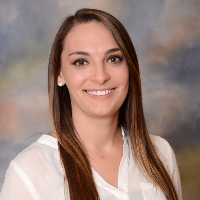
About Alisyn
Alisyn Cundiff is a Licensed Clinical Social Worker who helps people facing stress, anxiety, addictions, trauma, and changes in relationships and parenting. She brings a calm, practical manner and focuses on building a real working relationship. Sessions are meant to feel respectful and straightforward so people can talk about what’s hard to say out loud.
Alisyn uses approaches that help people understand patterns in their lives and try new ways of coping.
Background and approach
She combines ideas from attachment-focused work, cognitive-behavioral tools, mindfulness, motivational interviewing, and client-centered care. This mix supports short-term problem solving and deeper exploration over time. Her background includes a master’s level education in social work and three years of clinical practice.
She has worked with people dealing with depression, substance use, grief, parenting stress, ADHD, and trauma-related concerns. That experience helps her tailor conversations to each person’s specific situation. In sessions she listens for patterns in relationships, communication, and emotion regulation.
Then she helps clients set small, concrete goals and practice new responses between meetings. Techniques range from mindful breathing and thought-challenging to motivational conversations about change. Alisyn works with people in Wisconsin and provides services in English.
She offers several online formats so clients can pick what fits their life and schedule.
How Alisyn’s Approaches Work Online
Attachment-based work looks at how early relationships shape current patterns and helps people notice repeat interactions that cause pain. It can be useful for people dealing with abandonment, trust issues, or repeated conflicts in relationships. Cognitive Behavioral Therapy (CBT) focuses on identifying unhelpful thoughts and trying small experiments to test new beliefs. It is often used for anxiety, depression, and problems with impulsivity or substance use. Motivational Interviewing is a conversational style that helps people find their own reasons to change and build confidence step by step. It is commonly used with addictions and when someone feels stuck about making changes.Choosing an approach is a collaborative process. The therapist will ask about goals, try methods that match those goals, and check in about what is or isn’t helping. Over a few sessions the plan can shift so techniques and the pace fit the person’s needs and preferences.
Online therapy offers flexible ways to meet. Video calls allow face-to-face conversation and shared visual cues. Phone sessions can fit a quick check-in or work better when bandwidth is limited. Live chat and text messaging let clients send shorter updates or reflection between meetings. These options make it easier to fit therapy around work, caregiving, or travel while keeping a steady course of care.
Frequently asked questions
What kinds of concerns does this therapist address?
What is the style of therapy like?
What is her professional background?
What credentials and location are listed?
In which languages can sessions be held?
Which session formats are available?
How are costs handled?
What are the first steps to begin?
Specialties and expertise
Top specialties
Also works with
- Abandonment
- ADHD
- Anger management
- Attachment issues
- Blended family issues
- Caregiver issues and stress
- Co-morbidity
- Codependency
- Commitment issues
- Communication problems
- Compassion fatigue
- Control issues
- Coping with life changes
- Depression
- Drug and alcohol addiction
- Family conflicts
- Family problems
- Forgiveness
- Grief
- Guilt and shame
- Impulsivity
- Isolation / loneliness
- Life purpose
- Mood disorders
- Panic disorder and panic attacks
- Parenting issues
- Post-traumatic stress
- Relationship issues
- Seasonal Affective Disorder (SAD)
- Self esteem
- Self-love
- Social anxiety and phobia
- Workplace issues
- Young adult issues
Therapeutic approaches
- Experience
- 3 years
- Licensed
- Wisconsin
- Languages
- English