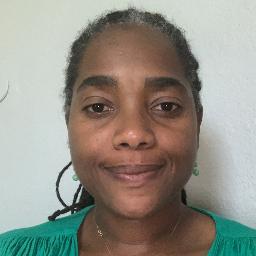
About Aisha
Aisha Thompkins is a California-based licensed clinical social worker (LCSW) with 22 years of practice. She focuses on everyday struggles like stress and anxiety, family tensions, trauma and abuse, grief, and adjusting to big life changes. Aisha aims to make the first step feel manageable and supportive for anyone ready to reach out.
She emphasizes an open, nonjudgmental space where people can say what they’re feeling. Sessions are practical and straightforward, with attention to what feels most urgent for each person.
Background and approach
Aisha listens for patterns of thought and behavior that make stress or isolation worse, then works with clients to try different ways of coping. Work often centers on communication skills and repairing strained relationships at a pace the client sets. Forgiveness, guilt, and shame are named topics when they come up, with time spent untangling those feelings and finding realistic next steps.
For grief and loss, she helps people find ways to carry memories while still moving forward. Her approach is collaborative rather than prescriptive; clients help set goals and choose the methods they try. Over two decades she has learned to adapt techniques to fit each person’s life and resources.
Aisha accepts English-speaking international clients and conducts sessions for people across California. Practical formats include video calls, phone sessions, live chat, and text-based messaging. She encourages a steady, doable pace so progress feels real and reachable.
Evidence-based approaches and online care
Aisha uses evidence-based therapeutic techniques tailored to each person. One common approach focuses on teaching practical coping skills to reduce anxiety and manage stress. These skills include breathing and grounding exercises along with small behavior changes to break unhelpful cycles. Another approach centers on processing trauma and difficult memories in a steady way, helping people name painful experiences and build tolerable steps toward healing.Choosing the right method is part of the work and happens together. The therapist will talk with the client about goals and preferences, then try approaches that match those needs. This collaborative process lets people test what helps most and adjust the plan over time.
Online formats make it easier to fit therapy into a busy life. Video calls let people keep face-to-face contact when that matters. Phone sessions or live chat can be useful when bandwidth or camera use is limited, or for short check-ins between longer meetings. Text-based messaging supports ongoing reflection and quick touchpoints without scheduling a full session. These options aim to increase flexibility so therapy can match daily routines and real-life constraints.
Frequently asked questions
What concerns does she commonly address?
What is her therapy style like?
How much clinical experience does she have?
What are her credentials and where is she based?
Can sessions be done in languages other than English?
What session formats are available?
How is cost handled for sessions?
How do I begin working together?
Specialties and expertise
Top specialties
- Stress, Anxiety
- Family conflicts
- Trauma and abuse
Also works with
- Experience
- 22 years
- Licensed
- California
- Languages
- English