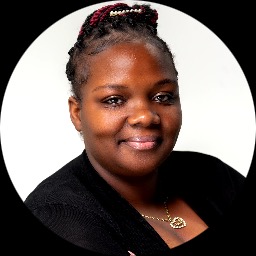
About Abigail
Abigail Buteau is a Licensed Clinical Social Worker (LCSW) practicing in Florida. She brings five years of clinical experience and a focus on helping people manage trauma, stress, relationship strain, and life changes. Abigail speaks English and offers sessions using several online formats to fit different schedules.
She works with people who have faced abuse, abandonment, or complex trauma, and supports those dealing with grief and end-of-life concerns. She also helps with parenting challenges, adoption and foster care issues, and caregiver stress.
Background and approach
Her background includes work with people navigating mood disorders such as depression and bipolar symptoms, and those coping with compassion fatigue. In sessions she uses a collaborative, client-centered stance. She listens for what matters most to each person and then helps identify workable steps.
Cognitive Behavioral Therapy and solution-focused strategies are used to build coping skills and practical changes over time. Abigail can talk with clients about intimacy, communication problems, codependency, and blended family concerns. She also addresses fertility-related stress, immigration-related challenges, and forgiveness, guilt, or shame that affect daily life.
Her approach aims to make progress feel manageable rather than overwhelming. People who prefer clear goals and practical tools often find her style direct and supportive. Sessions tend to focus on small, achievable steps that connect to a person’s real life and responsibilities.
The focus is on what a person wants to change and how to get there, together.
Approaches for online healing and practical change
Abigail uses Client-Centered Therapy to create a space where the person leads the session and feels heard. This approach helps when someone needs a supportive, nonjudgmental place to talk through painful events and make sense of their feelings.She also uses Cognitive Behavioral Therapy, which focuses on spotting unhelpful thoughts and testing small behavior changes. CBT can be useful for anxiety, low mood, and building routines that reduce stress and improve daily functioning.
Finding the right approach happens together. She will talk with each person about goals, preferences, and what feels most useful. That collaborative process guides whether sessions lean more toward problem-solving, skill work, or deeper trauma processing.
Online work is offered via video calls, phone sessions, live chat, or text-based messaging to fit different schedules and needs. Video is helpful for more in-depth conversations, phone works well when bandwidth is limited, and chat or text can support quick check-ins or shorter coaching-style moments. These options make it easier to keep therapy consistent around work, school, or caregiving duties.
Frequently asked questions
What concerns does she address?
How would you describe her therapy style?
What is her clinical background?
Where is she licensed to practice?
Which languages are supported for sessions?
What session formats are available?
How are fees and payment handled?
How do I begin working with her?
Specialties and expertise
Top specialties
- Trauma and abuse
- Parenting issues
Also works with
- Abandonment
- Adoption and foster care
- Attachment issues
- Bipolar disorder
- Blended family issues
- Career difficulties
- Caregiver issues and stress
- Coaching
- Codependency
- Communication problems
- Compassion fatigue
- Coping with life changes
- Depression
- Divorce and separation
- Domestic violence
- Family problems
- Fertility issues
- Forgiveness
- Grief
- Guilt and shame
- Hospice and end-of-life counseling
- Immigration issues
- Infidelity
- Intimacy-related issues
- Isolation / loneliness
- Life purpose
- Pregnancy and childbirth
- Relationship issues
- Self esteem
- Stress, Anxiety
- Women's issues
- Workplace issues
Therapeutic approaches
- Experience
- 5 years
- Licensed
- Florida
- Languages
- English