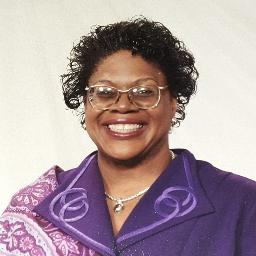
About Valerie
Dr. Valerie Stephens is a licensed clinical social worker in New Jersey with 25 years of professional experience. She combines long-term practice with a calm, straightforward approach to help people facing stress, anxiety, grief, and career uncertainty.
She meets people where they are and focuses on practical next steps rather than medical jargon. Her work often centers on boosting self-esteem and confidence. She helps people who feel isolated or are struggling with forgiveness and self-love.
Background and approach
Workplace concerns and women’s issues are other common areas she addresses in sessions. Dr. Stephens uses a client-centered style.
That means conversations are guided by the person’s needs and priorities. She listens first, then helps shape goals and actions that fit each person’s life. She can adapt sessions to include coaching around career moves and motivation.
Upon request, she can also offer counseling from a Biblical perspective. People who value faith-informed guidance can ask for that option. Sessions are offered in English and are available in several online formats.
Practical matters like scheduling and cost are handled through a subscription system that clients can cancel at any time. The first step is a short matching questionnaire and scheduling based on therapist availability.
How a client-centered approach works online
Client-centered therapy focuses on listening without judgment and following the person’s lead. The therapist asks about what matters most, reflects back what she hears, and helps clarify goals and values. This approach is useful for anxiety, low self-esteem, grief, and decisions about work or life direction.When faith matters to someone, she can incorporate a Biblical perspective at the person’s request. That option is woven into conversations only if the person wants it, so the plan stays aligned with each person’s preferences and goals.
Finding the right approach is a collaborative process. The therapist will check in about methods and adjust them based on what helps most. Clients and the therapist work together to try different ways of talking and acting until a comfortable fit is found.
Online formats include video calls, phone sessions, live chat, and text-based messaging. Video is good for deeper, face-to-face conversations. Phone sessions can be easier when bandwidth is limited or to fit a shorter break at work. Live chat and messaging work well for quick check-ins, reflective writing, and regular motivation between longer conversations. These options make it easier to schedule therapy around life commitments and different communication preferences.
Frequently asked questions
What concerns does she commonly address?
How would you describe her therapy style?
What is her professional background?
Where is she licensed and based?
Which languages are supported for sessions?
What session formats does she use?
How does payment and cost work?
How do I begin working with her?
Specialties and expertise
Top specialties
Also works with
- Career difficulties
- Coaching
- Forgiveness
- Isolation / loneliness
- Self-love
- Women's issues
- Workplace issues
Therapeutic approaches
- Experience
- 25 years
- Licensed
- New Jersey
- Languages
- English