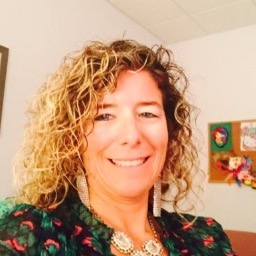
About Tricia
Tricia Betters-Black helps people facing addiction, grief, depression, anxiety, relationship and intimacy concerns, and struggles with self-esteem and body image. She also supports those dealing with parenting stress, caregiver strain, eating and process addictions, hoarding, and end-of-life issues. Tricia is a Licensed Clinical Social Worker, with 25 years of practice in Florida and experience working with the LGBTQ community.
Her style is warm, interactive, and compassionate. She focuses on listening closely and offering practical feedback.
Background and approach
Sessions are conversational and aim to help people make changes that fit their lives. Tricia uses a mix of approaches chosen to match each person’s needs.
That can include client-centered work that follows the person’s lead, cognitive behavioral techniques to shift unhelpful thinking, mindfulness tools to manage stress, motivational interviewing to build readiness for change, and solution-focused steps to find concrete next actions. She emphasizes respect and dignity and aims to meet people where they are.
Therapy sessions include space to talk through feelings, try new coping tools, and set realistic goals. The pace and focus change based on what each person needs. Tricia welcomes English-speaking clients and sees people from Florida and beyond.
Her long experience includes substance use and mental health care, grief counseling, and work with diverse sexual orientations and identities. If someone prefers an approach that is practical and collaborative, she can tailor sessions to that style.
Therapeutic approaches for online care
Client-centered therapy focuses on following the person’s lead and building a supportive space where they can talk through what matters most. It helps when someone wants to be heard and to set goals at their own pace. Cognitive Behavioral Therapy, or CBT, looks at how thoughts, feelings, and actions connect and teaches practical steps to change unhelpful patterns; it is often useful for anxiety, depression, and stress.Finding the right fit is part of the process. The therapist will work together with each person to choose approaches that match their goals, preferences, and daily life. That collaboration means trying techniques, checking how they feel, and adjusting the plan as needed.
Online sessions are offered by licensed professionals using video calls, phone sessions, live chat, or text-based messaging. Video calls allow face-to-face conversation and visual cues. Phone sessions can be a good option when bandwidth or camera use is an issue. Live chat and text messaging work well for shorter check-ins, scheduling, and ongoing support between sessions. These options make it easier to fit therapy into a busy week and to continue work when in-person visits are not feasible.
Frequently asked questions
What kinds of concerns does this therapist address?
What is her therapy style like?
How much experience does she have?
What credentials and location information are provided?
Which languages and international options are offered?
What session formats are available?
How is cost handled for sessions?
What steps are needed to start therapy?
Specialties and expertise
Top specialties
- Addictions
- LGBT
- Relationship issues
Also works with
- Aging and geriatric issues
- Body image
- Caregiver issues and stress
- Depression
- Drug and alcohol addiction
- Eating and food-related issues
- Eating disorders
- Grief
- Hoarding
- Hospice and end-of-life counseling
- Infidelity
- Intimacy-related issues
- Parenting issues
- Polyamory / non-monogamous relationships
- Process addiction (porn, exercise, gambling)
- Self esteem
- Stress, Anxiety
Therapeutic approaches
- Experience
- 25 years
- Licensed
- Florida
- Languages
- English