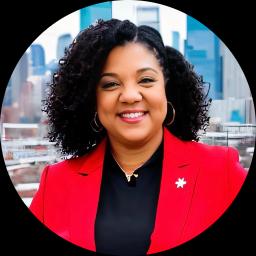
About Tanya
Tanya Mills is a licensed clinical social worker who uses practical therapy approaches to help people move forward. She combines clear strategies with calm, steady support. Tanya focuses on relationship challenges, parenting strain, low self-esteem, depression, and major life transitions.
She draws on Cognitive Behavioral Therapy to help people spot unhelpful thinking and try different actions. Dialectical Behavior Therapy tools are used for building emotional regulation and coping skills. Mindfulness practices help people slow down and respond more intentionally instead of reacting on impulse.
Background and approach
Sessions are straightforward and goal-oriented. Tanya listens to each person’s story and helps set small, doable steps. She emphasizes what clients already do well and uses those strengths to make change feel manageable.
With three years of experience as an LCSW in Virginia, she brings practical experience from real-world work with adults. Tanya aims to make therapy useful for everyday life, not just talk about problems. People meet her to work on communication problems, separation and divorce issues, learning forgiveness, building self-love, and easing social anxiety.
The approach is collaborative - the client’s needs guide the plan. Tanya supports people as they try new skills and track progress over time.
Practical therapy approaches for online care
CBT, or Cognitive Behavioral Therapy, focuses on identifying unhelpful thoughts and trying different actions to change how people feel. It is often used for depression, low self-esteem, and anxiety by teaching step-by-step skills to test new behaviors. DBT, or Dialectical Behavior Therapy, offers concrete tools for managing intense emotions and improving coping skills, which can help with social anxiety and relationship stress. Mindfulness Therapy teaches simple attention and breathing practices that help people slow down and respond rather than react, useful during times of big life change.Choosing the right approach is a team effort. The therapist will discuss goals and preferences and adapt methods as needed. Clients and the therapist decide together which techniques to try and adjust the plan based on what works in practice.
Online formats offer practical flexibility. Video calls let people use visual cues for deeper discussion, while phone sessions work well when bandwidth is limited or a shorter check-in is needed. Live chat and text-based messaging suit quick updates, coping reminders, or brief skill practice between sessions. These options make it easier to fit therapy into busy schedules and to keep working on skills outside session time.
Frequently asked questions
What concerns does Tanya commonly address?
What is her therapeutic style like?
What experience does she bring?
What are her credentials and where is she licensed?
Which languages are sessions offered in?
What session formats are available?
How is cost handled for sessions?
How do I begin working with her?
Specialties and expertise
Top specialties
- Relationship issues
- Parenting issues
- Self esteem
Also works with
Therapeutic approaches
- Experience
- 3 years
- Licensed
- Virginia
- Languages
- English