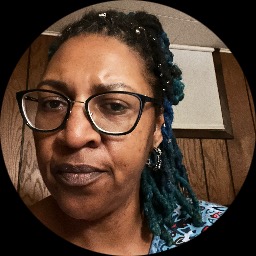
About Tammarrah
Tammarrah Morris is a licensed clinical social worker (LCSW) in Indiana with 26 years of experience. She focuses on practical, person-centered care for people facing addiction, trauma, grief, depression, anxiety, and life changes. Her work emphasizes steady support and clear tools to help clients move forward.
She uses Client-Centered Therapy to listen and tailor sessions around each person’s goals. Cognitive Behavioral Therapy helps identify unhelpful thinking and build different coping skills.
Background and approach
Mindfulness techniques are offered to reduce stress and improve day-to-day focus. Her background includes long experience with LGBTQ concerns, gender dysphoria, and issues tied to adoption and foster care. She also draws on work with chronic illness, postpartum challenges, and complicated grief.
These threads shape how she approaches treatment planning and short- and long-term goals. Sessions tend to be straightforward and practical. Conversations explore current problems, past effects, and small steps that can change daily life.
Motivational Interviewing is used when forming plans around substance use or behavior change, helping people find their own reasons to move forward. People can expect an affirming, nonjudgmental approach that pays attention to identity and life context. Tammarrah combines active listening with clear ideas for coping and communication.
She aims to help people feel more grounded and capable as they work through transitions and loss.
How therapy approaches translate to online care
Client-Centered Therapy focuses on listening and shaping sessions around a person’s goals and values. Online, this means conversations that follow what matters most and adapt to how a person prefers to work. Cognitive Behavioral Therapy helps people notice patterns of thinking and try new behaviors. In remote sessions it commonly involves setting concrete practice tasks between meetings and reviewing how those efforts went.Choosing the right approach is part of the work together. The therapist will talk with each person about needs, goals, and what has helped or not helped in the past. From that discussion they will pick or combine approaches and adjust them as progress is made, with the client’s input guiding the plan.
Online formats - video calls, phone sessions, live chat, or text-based messaging - make it easier to fit sessions into busy lives. Video is useful when visual cues help the conversation. Phone calls work well when bandwidth is limited or when someone prefers not to be on camera. Live chat and text messaging can provide brief check-ins, faster notes between sessions, or a format for people who express themselves better in writing. These options aim to make therapy more flexible and accessible while keeping the focus on practical skills and steady support.
Frequently asked questions
What kinds of concerns does this therapist address?
What therapeutic style can I expect?
What is the therapist's background and experience?
Where is the therapist licensed and located?
Are sessions offered in other languages or internationally?
What session formats are available?
How are costs handled for therapy?
How do I begin working with this therapist?
Specialties and expertise
Top specialties
Also works with
- Abandonment
- Adoption and foster care
- Chronic pain, illness, and disability
- Co-morbidity
- Communication problems
- Coping with life changes
- Depression
- Drug and alcohol addiction
- Family conflicts
- Forgiveness
- Gender dysphoria
- Grief
- Midlife crisis
- Parenting issues
- Polyamory / non-monogamous relationships
- Postpartum depression
- Pregnancy and childbirth
- Seasonal Affective Disorder (SAD)
- Self esteem
- Self-love
- Sexuality
- Stress, Anxiety
- Women's issues
Therapeutic approaches
- Experience
- 26 years
- Licensed
- Indiana
- Languages
- English