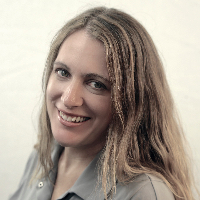
About Suzanne
Suzanne Knapp is a Licensed Clinical Social Worker with about 12 years of practice across social work and psychotherapy settings. She practices in New Mexico and helps people sort through stress, anxiety, depression, ADHD, and life transitions. Suzanne also supports people dealing with grief, trauma and relationship or intimacy concerns.
She began her career in foster care and group residences and has worked in domestic violence shelters, schools, assisted living, outpatient clinics, and independent practice.
Background and approach
Those varied settings shaped a practical, down-to-earth approach to helping people reach clearer goals. Her background includes roles as a social worker, psychotherapist, supervisor, and life coach. Suzanne uses straightforward tools that people can try between sessions.
She draws on Client-Centered ideas to keep conversations focused on each person’s values and choices. Cognitive Behavioral Therapy techniques help identify unhelpful thinking and try new behaviors. She also borrows mindfulness and narrative techniques to help people notice patterns and tell a different story about themselves.
Her style is interactive and goal-oriented. Sessions often include problem-solving, skill practice, and planning for small steps. Suzanne emphasizes building self-esteem, finding meaning, and strengthening communication and coping skills.
People who prefer a collaborative coach-therapist will likely find her approach useful. She aims to help clients set realistic goals, increase confidence, and move toward a more manageable day-to-day life.
Practical approaches for online therapy
Client-Centered Therapy focuses on listening and supporting each person’s choices. It helps people clarify values, set goals, and feel heard during hard conversations. Cognitive Behavioral Therapy (CBT) looks at how thoughts, feelings and actions connect and teaches tools to test and change unhelpful thinking. It works well for anxiety, depression, sleep problems, and breaking down big worries. Mindfulness Therapy helps people notice present-moment experience and respond with less reactivity; it can reduce stress and improve day-to-day focus.Finding the right mix of approaches is part of the work. The therapist will collaborate with each person to decide which methods fit their goals and comfort level. That may mean trying CBT exercises one week and doing narrative or mindfulness practices the next. The plan is adjusted based on what helps in practical ways.
Online sessions offer flexibility for different routines and needs. Video calls are useful for face-to-face conversation and skill practice. Phone sessions can be simpler when bandwidth is limited or a check-in fits a short break. Live chat and text-based messaging allow brief check-ins, step-by-step coaching, and support between longer sessions. These options make it easier to keep therapy consistent while fitting it into a busy life.
Frequently asked questions
What concerns does this therapist address?
What is her general therapy style?
How much experience does she have?
Where is she licensed and located?
Which languages are supported?
What session formats are available?
How does payment and cost work?
How do I begin working with her?
Specialties and expertise
Top specialties
Also works with
- ADHD
- Anger management
- Bipolar disorder
- Blended family issues
- Career difficulties
- Coaching
- Communication problems
- Compassion fatigue
- Coping with natural or human-caused disaster
- Depression
- Family conflicts
- First responder issues
- Grief
- Intimacy-related issues
- Isolation / loneliness
- LGBT
- Life purpose
- Parenting issues
- Relationship issues
- Self-love
- Sleeping disorders
- Trauma and abuse
- Traumatic brain injury
Therapeutic approaches
- Experience
- 12 years
- Licensed
- New York, New Mexico, Utah, California
- Languages
- English