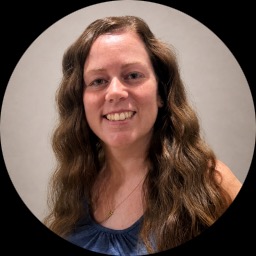
About Sherry
Sherry Gibbons is a Licensed Clinical Social Worker (LCSW) who helps people dealing with stress, anxiety, relationship problems, low self-esteem, depression, and big life changes. She writes with a warm, direct style and aims to challenge people gently so they can find practical solutions. Sherry emphasizes that mental health is part of who someone is but does not define them.
Sherry draws on her personal and professional experience supporting people with adoption and foster care histories.
Background and approach
She also has experience working with men who have been incarcerated and understands the layered challenges they can face. She listens for the full story and pays attention to how life circumstances have shaped each person. Her approach centers on strengths and workable steps.
She uses Person in Environment ideas to look at relationships and surroundings. She leans on a strength-based stance to highlight what already helps, and on solution-focused work to build small, achievable changes. Sessions with Sherry tend to be direct but supportive.
She asks hard questions when needed and keeps a practical focus on goals. The tone is encouraging and action-oriented, not lecturing. Sherry has three years of clinical experience and practices in California.
She holds a California LCSW license, number CA LCSW 138027. Conversations are in English and oriented toward realistic steps people can try between sessions.
How evidence-based approaches work online
Sherry uses evidence-based techniques that focus on strengths and practical change. One approach is solution-focused work, which concentrates on small, achievable steps toward a client’s goals. It helps with stress, low mood, relationship strain, and situations that feel overwhelming by breaking problems into manageable actions.Another thread in her work is a person-in-environment perspective. This looks at how relationships, living situations, and community affect feelings and choices. It is useful for people dealing with family problems, caregiver stress, or life transitions because it broadens the view beyond individual symptoms.
Finding the right approach is part of therapy. She will collaborate with each person to choose methods that match their needs, goals, and preferences. That decision is revisited as work progresses so strategies can be adjusted together.
Online sessions offer flexible ways to meet. Video calls allow face-to-face conversation when a fuller connection is wanted. Phone sessions can be easier when bandwidth is limited or a quick check-in fits a busy day. Live chat and text-based messaging let people share thoughts in shorter, more frequent moments between calls. These options make it simpler to fit therapy into work, caregiving, or other routines while keeping the focus on meaningful change.
Frequently asked questions
What concerns does Sherry commonly help with?
How would you describe her therapy style?
What is her professional background?
What are her credentials and where is she based?
Can I work with her in another language or from another country?
Which session formats are available?
How does cost and billing work?
What do I do to start therapy with her?
Specialties and expertise
Top specialties
- Stress, Anxiety
- Relationship issues
- Self esteem
Also works with
- Adoption and foster care
- Antisocial personality
- Avoidant personality
- Blended family issues
- Caregiver issues and stress
- Chronic pain, illness, and disability
- Codependency
- Commitment issues
- Communication problems
- Control issues
- Coping with life changes
- Depression
- Domestic violence
- Drug and alcohol addiction
- Family problems
- Forgiveness
- Guilt and shame
- Impulsivity
- Narcissism
- Obsessions, compulsions, and OCD
- Postpartum depression
- Self-love
- Social anxiety and phobia
- Workplace issues
- Young adult issues
- Experience
- 3 years
- Licensed
- California
- Languages
- English