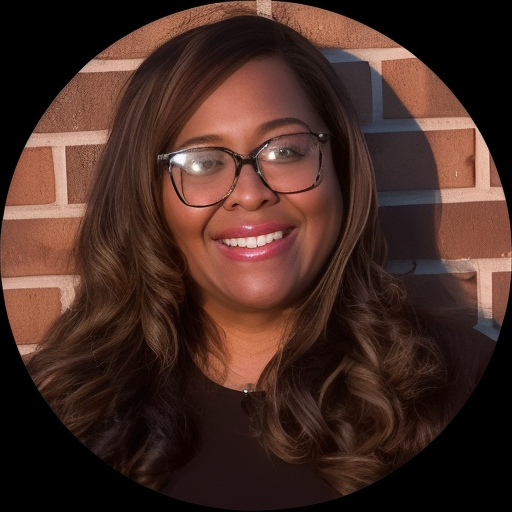
About Shatra'
Shatra' Kurtz is a licensed clinical social worker who offers calm, practical support for people facing anxiety, stress, relationship strain, and life transitions. She practices from Wyoming and focuses on everyday strategies that make daily life feel more manageable. Her style is straightforward and person-centered, with an emphasis on clear steps and steady progress.
She has four years of clinical experience and helps people who struggle with depression, low self-esteem, and coping with change.
Background and approach
She also works with concerns such as communication problems, commitment issues, and workplace stress. Shatra' supports people dealing with blended family issues, caregiver strain, divorce and separation, and midlife questions. In sessions she guides clients through skills for managing social anxiety and building self-love.
She also addresses the emotional impacts of traumatic brain injury and helps women and young adults navigate transitions and purpose. Conversations focus on practical tools, improved communication, and setting achievable goals. Shatra' centers each person’s background and current needs rather than a one-size-fits-all plan.
She aims to help people develop coping strategies that fit their daily routines. Sessions are intended to be collaborative and paced to each person’s comfort level. Her practice includes working by phone, video, live chat, and text messaging to match different schedules and needs.
Shatra' holds a Wyoming LCSW credential and uses that experience to guide supportive, goal-focused work.
How evidence-based techniques translate to online care
Shatra' uses evidence-based therapeutic techniques that focus on practical skills and emotional understanding. One common approach emphasizes teaching coping and stress-management skills that people can use day to day to reduce anxiety and manage mood swings. Another approach centers on improving communication and relationship skills so people can handle difficult conversations and boundary issues more effectively.Choosing the right method is part of the work together. The therapist will talk with each person about their goals, preferences, and what feels most useful. That collaborative process helps decide which techniques to try first and how to adapt them for online sessions.
Online formats include video calls, phone sessions, live chat, and text-based messaging. Video calls let people read facial expressions and practice new communication skills in real time. Phone sessions are useful when bandwidth is limited or when someone prefers not to be on camera. Live chat and text messaging make it easier to check in between sessions, share short updates, or get a quick coping reminder. These options offer flexibility for different schedules and day-to-day needs, making it easier to keep therapy consistent and practical.
Frequently asked questions
What kinds of problems does she help people with?
How would you describe her therapeutic approach?
What relevant experience does she bring?
Where is she licensed and located?
Which languages are sessions offered in?
What session formats are available?
How are fees and billing handled?
How do I begin working together?
Specialties and expertise
Top specialties
- Stress, Anxiety
- Relationship issues
- Self esteem
Also works with
- Experience
- 4 years
- Licensed
- Wyoming
- Languages
- English