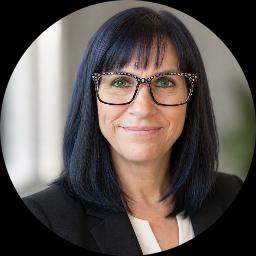
About Sharon
Sharon Peterson is a licensed clinical social worker with nine years of experience. She helps people manage stress, anxiety, relationship challenges, and the effects of trauma. Sharon takes a calm, practical approach so conversations are straightforward and focused on what matters most to each person.
Sharon uses evidence-based therapeutic techniques to help people process trauma and build stronger communication habits. She helps clients develop coping tools for life changes like divorce, grief, or shifts in health.
Background and approach
For those dealing with anxiety, she offers steady support for panic, social anxiety, and everyday worry. Her work also includes attention to neurodevelopmental differences, attachment concerns, and the impact of chronic illness or caregiving stress. Sharon brings direct, clear strategies for managing codependency, body image worries, abandonment issues, and parenting-related stressors.
She adapts guidance to each person’s situation rather than applying one-size-fits-all solutions. Sharon is licensed as a clinical social worker in Texas and California - TX LCSW 119851 and CA LCSW 136731 - and practices in California. Sessions are conducted in English and use straightforward goals and measurable steps.
Many people come seeking relief from daily overwhelm and leave with practical habits they can use right away. When someone is ready to begin, Sharon helps them set realistic short-term goals and a plan for next steps. She focuses on small, manageable changes that add up over time.
How therapeutic methods translate to online care
Sharon works from evidence-based therapeutic techniques that focus on clear skills and steady progress. One common approach she uses is trauma-focused work that helps people process difficult memories and reduce their emotional impact. This involves paced conversations, emotion regulation tools, and practical practices to use between sessions.Another approach emphasizes anxiety management and coping skills training. This includes short behavioral exercises, breathing and grounding techniques, and step-by-step plans to face feared situations. These methods aim to reduce symptoms and increase confidence in everyday settings.
Choosing the right method is a joint process. The therapist and client review symptoms, goals, and preferences and then try approaches that fit. Progress is checked regularly and techniques are adjusted based on what is helping most.
Online therapy offers flexibility that many people need. Video calls let visual cues guide interaction and role play, phone sessions require less bandwidth, live chat is useful for brief check-ins, and text-based messaging supports ongoing reflection between appointments. These options make it easier to fit therapy into work, caregiving, or medical schedules while keeping the focus on measurable steps and real-life application.
Frequently asked questions
What concerns does Sharon address?
What is her approach to therapy?
How long has she been practicing?
What credentials and location apply?
Which languages are available for sessions?
What session formats are offered?
How are fees and payment handled?
How do I begin working with her?
Specialties and expertise
Top specialties
- Stress, Anxiety
- Relationship issues
- Trauma and abuse
Also works with
- Abandonment
- ADHD
- Adoption and foster care
- Attachment issues
- Autism and Asperger Syndrome
- Avoidant personality
- Body image
- Cancer
- Caregiver issues and stress
- Chronic pain, illness, and disability
- Co-morbidity
- Codependency
- Communication problems
- Coping with life changes
- Dependent personality
- Disruptive Mood Dysregulation Disorder (DMDD)
- Divorce and separation
- Domestic violence
- Family problems
- Fertility issues
- Impulsivity
- Life purpose
- Mood disorders
- Panic disorder and panic attacks
- Post-traumatic stress
- Social anxiety and phobia
- Traumatic brain injury
- Women's issues
- Workplace issues
- Experience
- 9 years
- Licensed
- California, Colorado, Texas
- Languages
- English