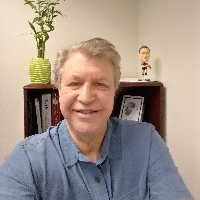
About Scott
Scott Underwood is a Licensed Clinical Social Worker with 23 years in behavioral health. He began his career in the Army as a Behavioral Science Specialist and later worked in community mental health, psychiatric hospitals, and independent practice. He has recent experience providing services for active duty Air Force personnel at Nellis and Creech Air Force Base.
Scott focuses on common and complex concerns like trauma, depression, anxiety, anger, and stress.
Background and approach
He also helps people with parenting stress, career decisions, grief, intimacy worries, sleep and eating issues, and coping with life changes. He lists coaching and assistance for mood disorders and panic as part of his practice. His style is straightforward and adaptable.
Scott says counseling does not have to be heavy or intimidating. He is willing to use humor when it fits and to keep sessions focused when a problem needs practical solutions. Scott encourages new clients to come with an idea of what they want from therapy.
He can offer short-term focused work or a longer plan for ongoing growth. He will listen first, then match the approach to the person's goals. Scott works online with a mix of video calls, phone sessions, live chat, and text messaging.
Sessions can include assessment, consultation, problem solving, and treatment planning depending on what the client asks for. He works in English and sees clients in California and internationally.
How Scott uses proven approaches in online sessions
Scott primarily uses Cognitive Behavioral Therapy and EMDR alongside trauma-focused work. CBT involves identifying unhelpful thoughts and trying new ways of thinking and acting to reduce anxiety and low mood. EMDR uses guided bilateral stimulation while recalling distressing memories to lessen their emotional impact and can help with post-traumatic stress and strong, persistent distress.Choosing an approach is a team effort. The therapist will talk with the client about goals, symptoms, and preferences, then suggest which method or combination might fit best. Plans can be adjusted over time if something is not working or needs to change.
Online therapy here uses video calls, phone sessions, live chat, and text messaging to provide flexibility. Video is useful for face-to-face interaction and more depth. Phone sessions can be easier when bandwidth is limited or when someone prefers not to be on camera. Live chat and text messaging are handy for brief check-ins, ongoing coaching, or when someone wants written reflections between sessions. These options make it easier to fit therapy into work, family life, and busy schedules.
Frequently asked questions
What kinds of problems does Scott help people with?
How would you describe his therapeutic style?
What is his professional background?
Where is he licensed and based?
Which languages are supported and can he work with international clients?
What session formats are available?
How are fees handled for sessions?
How do I begin working with him?
Specialties and expertise
Top specialties
- Stress, Anxiety
- Trauma and abuse
- Parenting issues
Also works with
- Anger management
- Bipolar disorder
- Career difficulties
- Coaching
- Coping with life changes
- Depression
- Eating disorders
- Family conflicts
- Family problems
- Grief
- Intimacy-related issues
- Midlife crisis
- Mood disorders
- Panic disorder and panic attacks
- Phobias
- Post-traumatic stress
- Relationship issues
- Self esteem
- Sleeping disorders
- Social anxiety and phobia
- Veteran and Armed Forces Issues
Therapeutic approaches
- Experience
- 23 years
- Licensed
- California
- Languages
- English