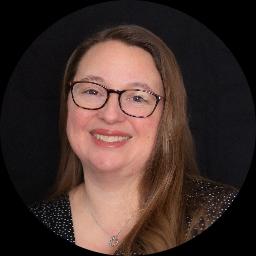
About Sarah
Sarah Lamie uses a client-centered approach that helps people feel heard and respected. She is a licensed clinical social worker, LCSW, based in Illinois with 18 years of experience. Sarah focuses on building trust so people can talk about what matters most to them.
She helps with stress and anxiety, depression, grief, and low self-esteem. She also supports people coping with big life changes and motivation struggles. Sessions aim to be practical and down-to-earth, with attention to everyday challenges.
Background and approach
Sarah draws on Cognitive Behavioral Therapy and mindfulness tools to help people notice patterns and try new responses. Narrative therapy is used when re-framing life stories can relieve pain and open new possibilities. Motivational interviewing helps people find their own reasons to change and keep moving forward.
Over nearly two decades she has worked with issues such as caregiver stress, chronic illness and pain, isolation and loneliness, and end-of-life concerns. She also addresses communication problems, guilt and shame, and questions of life purpose for young adults and women. Sessions are offered in English and are available through several online formats.
The focus is on creating clear goals, practical steps, and steady support so people can make manageable changes at their own pace.
Using evidence-based approaches online
Sarah blends client-centered therapy with Cognitive Behavioral Therapy and mindfulness work to help people when meeting remotely. Client-centered therapy focuses on listening closely and responding to what the person needs, creating a space to speak openly. Cognitive Behavioral Therapy looks at thoughts and behaviors that keep problems going and teaches practical skills to change those patterns. Mindfulness Therapy teaches simple attention and breathing skills to reduce rumination and increase calm.Finding the right mix of approaches is a joint process. The therapist will talk with each person about their goals, preferences, and daily life, and then suggest strategies to try together. That plan can change as progress is made, so sessions remain tailored to real needs and priorities.
Online formats include video calls, phone sessions, live chat, and text-based messaging, which make it easier to fit sessions into busy schedules. Video is useful for deeper conversations, phone can be easier when bandwidth is low, live chat works for brief check-ins, and messaging supports ongoing reflection between meetings. These options aim to increase flexibility and make steady therapeutic work more manageable.
Frequently asked questions
What kinds of concerns does Sarah address?
What is Sarah's therapeutic style?
How long has she been practicing?
Where is she licensed and located?
In which languages are sessions offered?
What session formats are available?
How is cost handled?
How do I begin working with Sarah?
Specialties and expertise
Top specialties
Also works with
- Aging and geriatric issues
- Caregiver issues and stress
- Chronic pain, illness, and disability
- Communication problems
- Coping with life changes
- Depression
- Forgiveness
- Guilt and shame
- Hospice and end-of-life counseling
- Impulsivity
- Isolation / loneliness
- Life purpose
- Traumatic brain injury
- Women's issues
- Young adult issues
Therapeutic approaches
- Experience
- 18 years
- Licensed
- Illinois
- Languages
- English