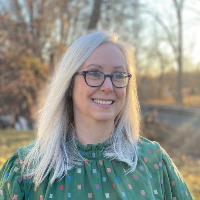
About Sarah
Sarah DuVall Murray is a Licensed Clinical Social Worker who practices in New Jersey. She brings 12 years of experience helping adults who are under stress, feeling anxious or depressed, or facing big life changes. Sarah works with people who are dealing with grief, trauma, parenting strain, relationship problems, and mood challenges.
She aims to build a kind, accepting therapy relationship where clients feel heard. Sarah prefers a collaborative style.
Background and approach
She listens closely to what matters to each person and then suggests practical steps to try between sessions. That can include learning new coping skills, changing unhelpful thoughts, or practicing ways to manage strong emotions. She also shares reading and resources when those tools fit the situation.
Her clinical background includes both outpatient and inpatient care, time in psychiatric emergency services, and earlier work in community mental health with adults living with serious mental illness. This range informs how she thinks about safety, crisis, and steady progress over time.
In sessions Sarah combines approaches that match the client's needs, using Cognitive Behavioral Therapy, Dialectical Behavior Therapy, and psychodynamic ideas as appropriate. She draws on Eastern philosophy at times to help people notice patterns and build tolerance for difficult feelings. People who reach out should expect a straightforward conversation about goals and practical steps.
Sarah aims to help clients find clearer direction, healthier routines, and better ways to manage everyday stress and mood concerns.
How Sarah’s Approaches Work Online
Sarah uses Cognitive Behavioral Therapy and Dialectical Behavior Therapy to guide online work. Cognitive Behavioral Therapy focuses on noticing and testing thoughts and behaviors that get in the way of feeling better, and is useful for anxiety, depression, and stress. Dialectical Behavior Therapy emphasizes emotion regulation, distress tolerance, and mindfulness skills to help people manage intense feelings and improve relationships.Choosing the right approach is a shared process. The therapist will talk with each person about goals, history, and what feels most useful. Together they will try methods and adjust the plan based on what helps in real life.
Online formats include video calls, phone sessions, live chat, and text-based messaging. Video sessions allow face-to-face conversation when visual cues help. Phone sessions work when bandwidth is limited or a shorter check-in is needed. Live chat and text messaging offer ongoing support between sessions and can fit into busy days. These options make scheduling more flexible and let people access therapy from different places and routines.
Frequently asked questions
What concerns does Sarah commonly address?
How would you describe her therapeutic style?
What is her professional background?
What credential and location information is on file?
Which languages are supported for sessions?
What session formats are available online?
How is cost handled for sessions?
How do I begin working with her?
Specialties and expertise
Top specialties
Also works with
- Anger management
- Bipolar disorder
- Caregiver issues and stress
- Chronic pain, illness, and disability
- Communication problems
- Compassion fatigue
- Family conflicts
- Family of origin issues
- Family problems
- Forgiveness
- Grief
- Life purpose
- Mood disorders
- Parenting issues
- Relationship issues
- Self esteem
- Trauma and abuse
- Young adult issues
Therapeutic approaches
- Experience
- 12 years
- Licensed
- New Jersey
- Languages
- English