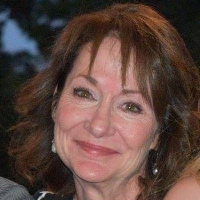
About Sandra
Prof. Sandra Brackenridge brings more than three decades of clinical and teaching experience to her work. She is a licensed clinical social worker - LCSW - based in Texas who spent 23 years as a professor of social work and continues to supervise social workers toward licensure.
Her background combines hands-on therapy with mentoring clinicians across multiple states. She kept a therapy practice while teaching and supervising, so she stayed current with different methods and real client needs.
Background and approach
She has published and presented widely on grief and bereavement and on mental health issues in healthcare settings, including work with veterinary professionals. Her clinical focus includes stress, anxiety, depression, grief, trauma and abuse, addictions, and compassion fatigue. She also pays attention to relationship and intimacy concerns, parenting strains, career questions, and life purpose.
Sandra notes work with first responders, caregiver stress, hospice and end-of-life concerns, and the effects of natural disasters. Sandra describes a practical, empathic style in sessions. She listens for how attachment, personal meaning, and life stories shape current struggles.
She uses approaches such as attachment-based, client-centered, existential, narrative work, and the Gottman Method to help people understand patterns and make changes. People who seek her out are often looking for a thoughtful, experienced clinician who can name patterns, offer steady guidance, and support coping during major life changes.
She welcomes conversations about burnout, blended family challenges, divorce, ADHD, and other complex concerns.
Therapeutic approaches and online options that fit your life
Attachment-Based Therapy looks at how early bonds shape current relationships and emotional responses; it helps people understand patterns that affect trust and closeness. Client-Centered Therapy centers the person's experience and pace, with the therapist offering empathic listening and nonjudgmental support to help clients find their own solutions. Narrative Therapy helps people separate themselves from problems by reworking the stories they tell about their lives, which can free them to try new ways of coping and relating.Finding the right approach is part of the work together. The therapist will talk with you about your goals, preferences, and what you most need from sessions. That conversation guides whether to emphasize attachment work, client-centered listening, narrative reframing, or a blend of methods tailored to your situation.
Online therapy offers practical flexibility. Video calls let you read facial cues and do deeper conversation. Phone sessions can be a good short check-in or when bandwidth is limited. Live chat and text messaging support brief contacts, journaling-style reflection, or steady check-ins between longer sessions. These options make it easier to fit therapy around work, caregiving, or travel while keeping the therapeutic focus on progress and coping.
Frequently asked questions
What concerns does she address?
How would you describe her therapy style?
What is her professional background?
Where is she licensed and based?
Can I meet with her if I live outside the United States?
What session formats are available?
How does payment and cost work?
What are the first steps to start therapy?
Specialties and expertise
Top specialties
- Stress, Anxiety
- Relationship issues
- Grief
Also works with
- Addictions
- ADHD
- Bipolar disorder
- Blended family issues
- Career difficulties
- Caregiver issues and stress
- Compassion fatigue
- Coping with life changes
- Coping with natural or human-caused disaster
- Depression
- Divorce and separation
- Family conflicts
- First responder issues
- Hospice and end-of-life counseling
- Intimacy-related issues
- Isolation / loneliness
- Life purpose
- Parenting issues
- Self esteem
- Trauma and abuse
Therapeutic approaches
- Experience
- 31 years
- Licensed
- Texas
- Languages
- English