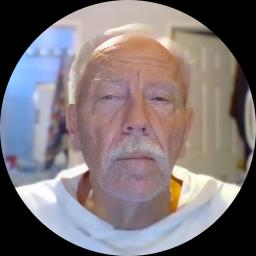
About Ronald
Ronald Gardner is a licensed clinical social worker who helps people facing stress, anxiety, depression, grief, trauma, and bipolar disorder. He draws on four decades of practice to support people taking the first steps toward change. He speaks plainly and focuses on practical ways to handle day-to-day challenges.
He starts by listening to each person’s story and identifying strengths they already have. Sessions focus on clear goals and small, manageable steps.
Background and approach
Ronald encourages clients to try techniques between meetings so progress builds over time. His work includes support for social anxiety and phobia, struggles with control, and questions about life purpose. He helps people cope with loss and the ongoing effects of abuse or trauma.
He also offers approaches suited to mood instability related to bipolar disorder. Ronald emphasizes a collaborative relationship. He frames the client as the expert on their life and treats therapy as a teamwork process.
Together they map out priorities and try methods that fit the client’s pace and needs. Based in California, Ronald’s 40 years of experience inform a calm, steady approach. He aims for straightforward conversation and practical tools rather than jargon.
If someone is ready to take a step, he helps them shape a plan and move forward.
Approaches and how online therapy fits your life
Two common evidence-based techniques Ronald offers are problem-focused work and skill-building for emotion regulation. Problem-focused work breaks down large worries into specific, manageable tasks and helps people make concrete changes. Emotion-regulation skill building teaches simple tools to manage strong feelings so daily life becomes more manageable and less reactive. He treats finding the right approach as a team effort. The therapist listens to your goals and tries methods that match your needs and comfort level. If one technique does not fit, he will adjust plans and try something different until a useful fit is found. Online sessions are offered as video calls, phone sessions, live chat, or text-based messaging to make therapy easier to fit into a busy life. Video calls allow face-to-face conversation when a longer, in-depth session is needed. Phone sessions use less bandwidth and can work well for a focused check-in. Live chat and messaging support shorter, more frequent contact and help people practice skills between longer sessions. These formats give flexibility for arranging appointments around work, caregiving, or travel. Ronald aims to match the method and pacing to each person so progress can continue even when schedules are tight.Frequently asked questions
What concerns does Ronald commonly help with?
What is his general therapy style?
How much experience does he have?
What are his credentials and location?
Which languages are offered for sessions?
What session formats are available?
How does cost and payment work?
What are the steps to begin therapy?
Specialties and expertise
Top specialties
Also works with
- Bipolar disorder
- Control issues
- Depression
- Life purpose
- Social anxiety and phobia
- Experience
- 40 years
- Licensed
- California
- Languages
- English