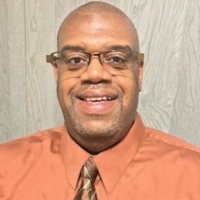
About Rodney
Rodney Carson is a licensed clinical social worker who focuses on stress, anxiety, addictions, depression, and relationship concerns. He draws on two decades of experience in counseling and social work to help people who are facing major life changes, grief, or struggles with self-esteem and purpose. Clients describe practical guidance aimed at small, steady steps toward feeling better.
Rodney emphasizes straightforward conversation and goal-focused work. He uses tools from cognitive behavioral therapy and mindfulness to help people notice patterns and try new responses.
Background and approach
Motivational interviewing and solution-focused techniques are used to shape short-term goals and build momentum. He has a long history in addiction recovery and spent many years providing outpatient services for drug, alcohol, and mental health concerns. That background informs his approach to relapse prevention, coping skills, and rebuilding daily routines.
Beyond clinical work, Rodney has contributed to a therapeutic medication program that has been used in outpatient settings, hospitals, nursing schools, and correctional facilities in the United States and Canada. He also teaches adult education at his place of worship and is on a path toward ordination as a deacon.
Rodney holds a Licensed Clinical Social Worker credential, LCSW, and practices in Pennsylvania. Sessions are offered in English and employ a mix of practical exercises, clear feedback, and collaborative goal-setting to support change.
Therapeutic approaches that translate well online
Client-centered therapy focuses on listening and responding to each person’s concerns. It centers the conversation on what matters most to the client and helps the therapist shape goals that feel meaningful and doable. Cognitive behavioral therapy, or CBT, helps people identify unhelpful thoughts and try new behaviors to reduce anxiety and depression symptoms. It often uses practical exercises and homework between sessions to build new habits.Finding the right approach usually happens together. The therapist will offer options, try techniques, and adjust based on what helps most. That collaborative process means methods can be mixed or shifted over time to match needs and goals.
Online sessions make it easier to fit therapy into a busy life. Video calls allow for face-to-face conversation, while phone sessions can work when bandwidth or camera use is limited. Live chat and text-based messaging offer shorter check-ins, quick problem-solving, and ongoing support between longer sessions. These formats give flexibility for people balancing work, recovery, or caregiving responsibilities while still working toward clear goals with a licensed professional.
Frequently asked questions
What kinds of concerns does Rodney work with?
How would you describe his therapeutic style?
What background does he bring to therapy work?
What are his credentials and where is he based?
Which languages are sessions offered in?
What session formats are available?
How are sessions paid for and what does it cost?
How do I begin working with him?
Specialties and expertise
Top specialties
- Stress, Anxiety
- Addictions
- Anger management
Also works with
- ADHD
- Bipolar disorder
- Career difficulties
- Chronic pain, illness, and disability
- Coaching
- Compassion fatigue
- Coping with life changes
- Depression
- Eating disorders
- Family conflicts
- Forgiveness
- Grief
- Intimacy-related issues
- Isolation / loneliness
- LGBT
- Life purpose
- Panic disorder and panic attacks
- Parenting issues
- Relationship issues
- Self esteem
- Self-love
- Sleeping disorders
- Trauma and abuse
Therapeutic approaches
- Experience
- 20 years
- Licensed
- Pennsylvania
- Languages
- English