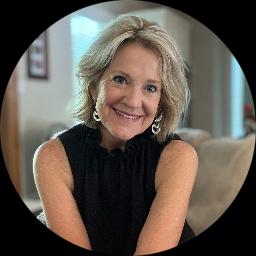
About Rhenda
Rhenda Hodnett uses practical, evidence-based methods to help people manage major life changes and daily struggles. She is a Licensed Clinical Social Worker, LCSW, based in Louisiana with a background in social work education. Her approach focuses on small, doable steps that ease overwhelm and build steadier routines.
She spent many years in roles that involved responding to abuse, neglect, and trauma. That earlier work shaped how she listens and responds to hard stories.
Background and approach
Today she focuses on adults facing transitions in relationships, work or retirement, and health-related adjustments. Insomnia and sleep problems are a frequent focus of her sessions. She helps people find practical strategies to improve sleep and daytime functioning.
She also supports those coping with grief, low self-esteem, caregiver stress, isolation, and questions about life purpose. Sessions are straightforward and goal-oriented. Conversations explore what is getting in the way and what small actions could shift routines and thinking.
She emphasizes real-world skills you can try between sessions. Rhenda draws on a long history in social work that combines academic training and hands-on experience. She aims to make therapy useful and manageable for people juggling busy lives and complicated feelings.
Practical approaches for online life transition work
Rhenda uses evidence-based therapeutic techniques that translate well to online formats. She focuses on structured problem-solving, which breaks big issues into smaller steps you can test between sessions. This approach helps with sleep routines, caregiver stress, and midlife decisions by creating clear, doable experiments to try at home.She also draws on strategies aimed at improving sleep habits and daytime functioning. These methods look at routines, light exposure, and behavior changes to reduce insomnia and restore steadier sleep. For grief and low self-esteem, she applies short-term, skills-focused work that supports paced emotional processing and practical coping skills.
Choosing the right approach is a collaborative process. The therapist and client review needs, goals, and preferences and then try methods that feel most useful. Adjustments are made over time so the plan matches what actually helps in daily life.
Online therapy offers flexibility for people with busy schedules. Video calls allow face-to-face conversation and visual cues. Phone sessions work well when video is difficult or bandwidth is limited. Live chat and text-based messaging suit brief check-ins, quick problem-solving, or times when typing feels easier than speaking. These options make it simpler to fit therapy into work, caregiving, or health appointments.
Frequently asked questions
What concerns does Rhenda address?
How would you describe her therapeutic style?
What is her background and experience?
What are her credentials and where is she located?
Which languages are supported for sessions?
In what formats are sessions available?
How are sessions paid for and what does it cost?
What steps do I take to begin working with her?
Specialties and expertise
Top specialties
- Grief
- Sleeping disorders
- Self esteem
Also works with
- Experience
- 10 years
- Licensed
- Louisiana
- Languages
- English