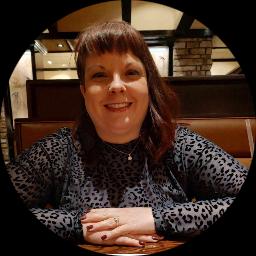
About Rachel
Rachel Dowell is a Licensed Clinical Social Worker with five years of experience helping people navigate stress, anxiety, relationship strain, trauma and grief. She offers a warm, person-centered approach and treats each person as the expert on their own life. Rachel listens without judgment and gives straightforward feedback to help people move forward.
Her work blends practical tools and emotional processing. She uses Cognitive Behavioral Therapy to spot unhelpful thinking and build new habits.
Background and approach
She also uses Acceptance and Commitment Therapy ideas to help people clarify values and take meaningful steps. Rachel incorporates Eye Movement Desensitization and Reprocessing for trauma work when appropriate. She draws on Gottman-informed methods for relationship conflict and communication problems.
Motivational interviewing and harm-reduction strategies support people dealing with substance use and co-occurring issues. Typical concerns Rachel focuses on include abandonment and attachment issues, codependency, control struggles, and isolation or loneliness. She also supports people facing domestic violence, substance-related problems, post-traumatic stress, guilt and shame, and questions about life purpose.
Sessions aim to be practical and collaborative. Rachel helps people set small goals, practice new skills, and make changes that fit their day-to-day life. She practices in Missouri as an LCSW (Licensed Clinical Social Worker) and holds a straightforward, empathetic stance in the room.
Approaches that guide online sessions
Acceptance and Commitment Therapy helps people clarify what matters to them and take small steps toward those values. It focuses on noticing thoughts without getting stuck and building meaningful actions that match goals.Cognitive Behavioral Therapy looks at the links between thoughts, feelings, and behaviors. Sessions often include identifying unhelpful thinking patterns and practicing new, more helpful skills between meetings.
Eye Movement Desensitization and Reprocessing is used for trauma processing when appropriate. It supports reducing the intensity of painful memories so daily life feels less dominated by past events.
Choosing the right approach is part of the work. Rachel will talk with each person about goals, symptoms, and preferences and then try methods that fit. The plan is shaped together and can change as progress is made.
Online therapy offers flexibility for people with busy schedules. Video calls let you work face to face from different places, phone sessions need less bandwidth, and live chat or text messaging can allow brief check-ins or ongoing support between longer sessions. These options make it easier to keep therapy consistent while fitting into everyday life.
Frequently asked questions
What issues does she commonly address?
What is her therapy style like?
What kind of experience does she bring?
What credentials and location are listed?
Which languages are supported?
What session formats are available?
How does payment and cost work?
How do I begin working with her?
Specialties and expertise
Top specialties
- Stress, Anxiety
- Relationship issues
- Trauma and abuse
Also works with
Therapeutic approaches
- Experience
- 5 years
- Licensed
- Missouri
- Languages
- English