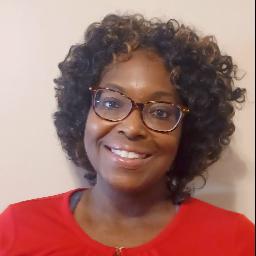
About Porshure
Porshure Richardson is a Licensed Clinical Social Worker who focuses on practical, steady support for people facing stress, anxiety, depression, grief, and shifts in life. She speaks plainly and aims to make the first steps toward change feel manageable. Her approach centers on listening and helping people find what works for them.
With 21 years of experience, she draws on straightforward methods to help people manage overwhelming feelings and daily pressure.
Background and approach
She helps clients build motivation, boost self-esteem, and cope with loss or major life transitions. She also works with concerns such as bipolar symptoms, ADHD, and workplace stress. Richardson creates a calm space where clients can share thoughts without judgment.
Sessions emphasize practical tools and clear goals. She uses techniques to challenge unhelpful thinking and to try small changes that lead to relief. Clients may focus on specific problems like divorce, family problems, or grief.
Others come for help with emptiness, guilt, or loneliness. She also supports women dealing with identity and self-love concerns, and people facing end-of-life caregiving or hospice-related emotions. Her style blends client-centered conversations with cognitive strategies and solution-focused steps.
That mix lets sessions stay grounded and action-oriented while still honoring each person’s experience. Richardson practices in Tennessee and offers care in English.
How these approaches translate to online sessions
Client-Centered Therapy focuses on listening and reflecting back what matters to you so you feel heard and understood. It helps when someone needs a calm space to name feelings and priorities and to decide what change feels right. Cognitive Behavioral Therapy, or CBT, involves looking at patterns of thinking and testing small behavioral changes. It is useful for anxiety, low mood, and managing unhelpful thoughts. Solution-Focused Therapy narrows the work to clear goals and practical steps you can try between sessions to make progress quickly.Finding the right approach is a collaborative process. The therapist will discuss goals, preferences, and what has or has not worked before. Together you decide whether to lean more on listening and exploration, on skill-building with CBT, or on focused goal work with solution-focused techniques, and adjustments are made as you go.
Online therapy offers flexibility through video calls, phone sessions, live chat, or text-based messaging. Video calls allow face-to-face conversation for deeper exchanges, while phone sessions can fit a break at work or require less bandwidth. Live chat and text messaging are useful for brief check-ins, ongoing coaching, or when shorter, frequent contact helps keep momentum. These options make it easier to arrange regular sessions around everyday life.
Frequently asked questions
What kinds of concerns are addressed here?
What is the therapist's general approach in sessions?
How much clinical experience does the therapist have?
What credentials and region are listed?
In which language are sessions offered and can international clients be seen?
What session formats are available?
How does pricing work for sessions?
How do I begin working with this therapist?
Specialties and expertise
Top specialties
Also works with
- ADHD
- Bipolar disorder
- Coaching
- Coping with life changes
- Divorce and separation
- Emptiness
- Family conflicts
- Family problems
- Grief
- Guilt and shame
- Hospice and end-of-life counseling
- Isolation / loneliness
- Self-love
- Trauma and abuse
- Women's issues
- Workplace issues
Therapeutic approaches
- Experience
- 21 years
- Licensed
- Tennessee
- Languages
- English