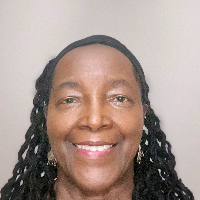
About Phyllis
Phyllis Sanders is a licensed clinical social worker in Georgia with more than 21 years helping people through life’s hard moments. She holds LCSW (Licensed Clinical Social Worker) and CSW credentials and draws on long experience as a counselor and life coach. Phyllis listens without judgment and treats each person with respect.
She focuses on everyday problems such as stress, anxiety, low self-esteem, depression, and career concerns. She also supports people facing grief, compassion fatigue, and major life transitions.
Background and approach
Aging and caregiver stress are among her additional focus areas. Her sessions are collaborative and warm. Phyllis uses a client-centered stance so people feel heard, then combines practical strategies to address immediate needs.
She may use motivational interviewing to help clarify goals and solution-focused techniques to build small steps forward. Phyllis also brings psychodynamic ideas into conversations to help uncover patterns that affect current choices. Therapy is paced to match what each person needs, whether that means short-term work on a problem or deeper reflection over time.
She offers video calls, phone sessions, live chat, and text-based messaging. Sessions are provided in English and are arranged through a subscription model that can be canceled at any time. To begin, a person completes a short matching questionnaire and schedules sessions according to therapist availability.
Therapeutic Approaches for Online Care
Client-centered therapy focuses on listening carefully and building a safe, respectful space so people can speak openly about what matters most. This approach helps with anxiety, low self-worth, and stress by centering the person’s own goals and pace.Motivational interviewing is a conversation style that helps someone find personal motivation to change. It is useful for making decisions about work, health habits, or moving through a life transition by clarifying values and small next steps.
Finding the right approach is part of the work together. The therapist will talk with each person about goals and preferences and then choose approaches that fit those needs. This is a collaborative process, and plans are adjusted as progress and priorities become clearer.
Online sessions are offered by video calls, phone sessions, live chat, or text-based messaging for flexibility. Video allows face-to-face conversation when preferred. Phone sessions need less bandwidth and can fit a break at work. Live chat and text are useful for brief check-ins and ongoing support between longer sessions. These options make it easier to keep momentum while balancing daily life.
Frequently asked questions
What issues does she help with?
What is her therapeutic style like?
How much experience does she have?
What credentials and location apply?
Which languages are sessions offered in?
What formats are available for sessions?
How does pricing work?
How do I begin working with her?
Specialties and expertise
Top specialties
Also works with
Therapeutic approaches
- Experience
- 21 years
- Licensed
- Georgia
- Languages
- English