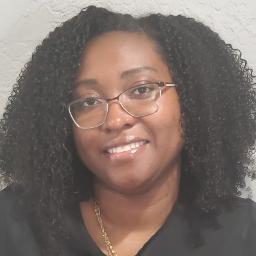
About Phyllis
Phyllis Jeannestal is a Licensed Clinical Social Worker who helps people manage stress, anxiety, grief, depression, and relationship concerns. She uses straightforward, practical support so clients can take small steps toward feeling better. Phyllis writes in plain language and focuses on what a person can do right now to cope and move forward.
Phyllis draws on nine years of clinical experience in Florida. She has worked with people affected by trauma and abuse and has supported those coping with major life changes.
Background and approach
Her background includes helping survivors of mass violence at a community wellness center and working in hospice to support people through grief and loss. Her approach centers on listening carefully, honoring each person's choices, and helping them build skills that fit their life. She often combines client-centered work with practical tools from cognitive behavioral therapy and solution-focused methods.
When trauma is part of the story, she uses trauma-focused principles that emphasize safety and collaboration. Sessions typically include goal-setting, skill practice, and short-term strategies for handling strong emotions. Phyllis also helps people address workplace stress, caregiver strain, communication breakdowns, and self-esteem concerns.
The aim is to leave each session with a clearer plan and tools to try between appointments. Phyllis describes her role as a guide who highlights strengths and supports growth. She encourages a pace that feels manageable and respects each person's preferences.
Her practice is based in Florida and conversations are held in English.
How therapeutic approaches translate to online care
Client-Centered Therapy focuses on listening, acceptance, and supporting each person's goals. It helps people who need a respectful space to sort through feelings and make decisions. Cognitive Behavioral Therapy, or CBT, breaks problems into thoughts, feelings, and actions and offers clear skills to change unhelpful patterns; it is useful for anxiety, depression, and stress. Trauma-Focused Therapy prioritizes safety, collaboration, and gradual skill-building to address the effects of trauma and abuse.Finding the right mix of approaches is part of the work together. The therapist will discuss goals, try methods that fit those goals, and adjust based on what helps. Clients are invited to share preferences so treatment feels collaborative and practical.
Online formats offered include video calls, phone sessions, live chat, and text-based messaging, which make it easier to fit therapy into a busy life. Video lets people use visual cues and face-to-face conversation. Phone sessions are a good option when bandwidth is limited or for a shorter check-in. Live chat and messaging can support brief coaching, reminders about skills, or ongoing encouragement between sessions. These options offer flexibility and consistent access to a licensed professional from different locations.
Frequently asked questions
What concerns does she commonly address?
What is her therapy style like?
How much clinical experience does she have?
What are her credentials and where is she based?
Can I work with her if I live outside the United States?
Which session formats does she offer?
How are sessions paid for and what does cost look like?
How do I begin therapy with her?
Specialties and expertise
Top specialties
- Stress, Anxiety
- Family conflicts
- Trauma and abuse
Also works with
- Anger management
- Bipolar disorder
- Career difficulties
- Caregiver issues and stress
- Coaching
- Communication problems
- Compassion fatigue
- Coping with life changes
- Depression
- Divorce and separation
- Forgiveness
- Grief
- Intimacy-related issues
- Parenting issues
- Relationship issues
- Self esteem
- Self-love
- Social anxiety and phobia
- Workplace issues
Therapeutic approaches
- Experience
- 9 years
- Licensed
- Florida
- Languages
- English