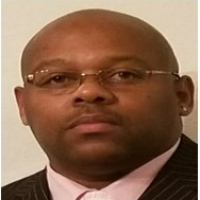
About Paul
Paul Clark is a Licensed Independent Clinical Social Worker who helps people facing stress, anxiety, depression, addictions, grief, and major life changes. He speaks plainly and offers straightforward guidance. He draws on a decade of clinical practice and experience with military clients to help people deal with daily pressures and difficult decisions.
Paul keeps sessions warm and direct. He listens closely and tailors conversations to each person’s needs. Sessions focus on practical steps people can try between meetings and on building clearer communication and coping skills.
Background and approach
He trained at Norfolk State University where he earned both a Bachelor’s and a Master’s degree in Social Work. He also served 20 years on active duty as a Chief Petty Officer, experience that shapes his practical approach and respect for diverse backgrounds. In the room he combines several therapy approaches to match what people need.
That can include acceptance strategies, cognitive tools to shift unhelpful thoughts, and emotionally focused methods to improve relationship patterns. Paul avoids labels and works to reduce stigma while helping people set achievable goals. People often seek him out for help with relationship and communication problems, career stress, feelings of guilt or shame, and issues that follow loss or trauma.
He aims to collaborate on a plan that fits the person’s life and values, and to help them move toward clearer choices and steadier routines.
How these approaches translate to online work
Acceptance and Commitment Therapy (ACT) focuses on noticing difficult thoughts and feelings without getting stuck in them. It helps people clarify personal values and take small actions that match those values, which can reduce avoidant habits and build a more meaningful daily routine.Client-Centered Therapy centers the conversation on the person’s experience. The therapist offers empathetic listening and gentle reflection so people feel heard and can find their own solutions. This style helps when someone needs space to process emotions and regain confidence.
Cognitive Behavioral Therapy (CBT) looks at patterns of thought and behavior and teaches concrete tools to change them. It is useful for anxiety, depression, and unhelpful thinking that keeps problems going from day to day.
Finding the right approach is a collaborative process. The therapist will talk with each person about goals and preferences, then suggest methods that match their needs. Plans can be adjusted as progress is made and circumstances change.
Online sessions make it easier to fit therapy into a busy life. Video calls let people see facial cues and work through relationship or emotional material. Phone sessions use less bandwidth and can be a quicker check-in. Live chat and text-based messaging allow shorter updates or ongoing support between full sessions. These options give flexibility so people can choose what works best for their schedule and comfort.
Frequently asked questions
What kinds of problems does Paul help with?
What is his therapeutic style like?
How much clinical experience does he have?
What are his credentials and where is he based?
Which languages are sessions offered in?
What session formats does he provide?
How are sessions billed and what does it cost?
How do I begin working with him?
Specialties and expertise
Top specialties
- Stress, Anxiety
- Relationship issues
- Family conflicts
Also works with
- Addictions
- Anger management
- Career difficulties
- Coaching
- Communication problems
- Coping with life changes
- Depression
- Forgiveness
- Grief
- Guilt and shame
- Self esteem
- Self-harm
- Veteran and Armed Forces Issues
Therapeutic approaches
- Experience
- 10 years
- Licensed
- Virginia, District of Columbia, New Jersey, Arizona
- Languages
- English