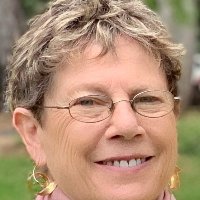
About Patricia
Patricia Lehr is a Licensed Clinical Social Worker with four decades of experience in mental health. She practices in California and offers straightforward, practical help for everyday struggles. Patricia focuses on listening first and helping people figure out what matters most to them.
She has spent many years working across settings such as independent practice, schools, juvenile courts, and community health organizations. That background gives her experience with a wide range of life stages and concerns, from parenting and workplace stress to grief and depression.
Background and approach
Patricia draws on that breadth when she and a client map out goals and next steps. In sessions she keeps the work grounded and collaborative. She meets people where they are, invites them to talk through their worries, and helps them use their own strengths.
Conversations aim to clarify what is getting in the way and identify small changes that make daily life easier. Patricia uses several counseling styles to fit different needs, including client-centered and solution-focused approaches. She also brings existential questions and motivational strategies when those help a person decide on next steps.
The goal is practical progress rather than theory-heavy sessions. Many people come to her for help with parenting, anger, self-esteem, career choices, and coping with life changes. She also supports concerns such as anxiety, relationship struggles, compassion fatigue, ADHD, and issues related to aging or blended families.
Her work is simple and steady, focused on helping people move forward.
Therapeutic approaches and online sessions that fit your life
Client-centered therapy focuses on listening and understanding each person's perspective. It helps when someone needs a space to be heard and to build confidence in their own choices. Solution-focused therapy looks for small, practical steps that can be tried right away to reduce stress and improve relationships. Motivational interviewing helps people find personal reasons to change and move toward goals when motivation feels unclear.Choosing the right approach is a shared process. The therapist will talk with the client about goals, preferences, and what has worked before. Together they will try methods that feel most useful and adjust the plan as progress is made.
Online sessions use video calls, phone, live chat, or text-based messaging so therapy can fit into a busy life. Video calls let people talk face-to-face when a longer conversation is needed. Phone sessions work well when bandwidth is limited or a quieter setting is easier. Live chat and text messaging make it possible to check in quickly, do brief coaching, or follow up between longer sessions. These options give flexibility for different rhythms and schedules while keeping the focus on steady progress.
Frequently asked questions
What issues does she help with?
What is her therapeutic style like?
How much experience does she have?
What are her credentials and where is she based?
Does she offer sessions in other languages or to international clients?
Which session formats are available?
How are sessions priced?
How do I begin working with her?
Specialties and expertise
Top specialties
- Parenting issues
- Anger management
- Self esteem
Also works with
- ADHD
- Aging and geriatric issues
- Blended family issues
- Career difficulties
- Caregiver issues and stress
- Communication problems
- Compassion fatigue
- Control issues
- Coping with life changes
- Coping with natural or human-caused disaster
- Depression
- Divorce and separation
- Family conflicts
- Family of origin issues
- Grief
- Relationship issues
- Stress, Anxiety
- Women's issues
- Workplace issues
Therapeutic approaches
- Experience
- 40 years
- Licensed
- California
- Languages
- English