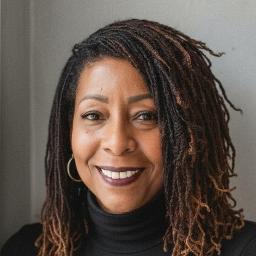
About Novlett
Novlett Mckenzie is a Florida-licensed social worker who helps people facing stress, anxiety, depression, grief, and struggles with self-esteem. She offers straightforward support for relationship concerns, low motivation, and issues like isolation, body image, and commitment doubts. Sessions are conducted in English and can be arranged for international clients when needed.
She blends research-informed methods with a people-first stance. Her recent professional work included writing and lecturing on evidence-based content for clinicians.
Background and approach
That background shapes how she explains options and suggests practical steps in sessions. Novlett focuses on clear goals and small, achievable changes. Conversations tend to emphasize coping tools, ways to reframe difficult thoughts, and action plans clients can try between sessions.
She encourages gentle self-compassion and realistic progress rather than quick fixes. Clients can expect a collaborative tone where their priorities guide the work. Novlett views each person as the expert on their life and offers guidance to build on existing strengths.
She supports people through transitions such as divorce, loss, or cancer-related challenges. Her approach suits those who want a blend of evidence-based ideas and compassionate listening. Practical strategies for anxiety, grief, and relationship strain are paired with attention to self-love and forgiveness.
Novlett holds the LCSW credential, which denotes a licensed clinical social worker in Florida.
Approaches that guide online sessions
Novlett uses evidence-based therapeutic techniques explained in everyday terms. One approach focuses on identifying and changing unhelpful thought patterns to reduce anxiety and improve mood; it helps people notice automatic thoughts and try different, more balanced ways of thinking. Another approach emphasizes practical coping skills for stressful moments, such as breathing exercises, behavioral steps to reduce avoidance, and short activities to boost motivation and mood.Choosing the right approach is a collaborative process. The therapist will talk with each person about their goals, preferences, and what has or hasn’t helped before. Together they decide which techniques to try and adjust the plan as progress is made.
Online formats include video calls, phone sessions, live chat, and text-based messaging, which let people fit therapy into busy lives. Video is useful for face-to-face conversation and teaching exercises. Phone sessions need less bandwidth and can be easier during a work break. Chat and text work well for quick check-ins, short reflections, or when typing feels more comfortable. These options increase flexibility and make it easier to keep continuity of care across locations and schedules.
Frequently asked questions
What concerns does she help with?
How would you describe her therapeutic style?
What is her professional background?
What credentials and location are listed?
In which languages are sessions offered?
What session formats are available?
How does the pricing work?
How do I begin working with her?
Specialties and expertise
Top specialties
- Stress, Anxiety
- Relationship issues
- Grief
Also works with
- Experience
- 3 years
- Licensed
- Florida
- Languages
- English