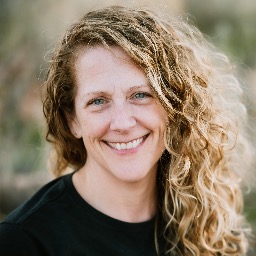
About Nancy
Nancy Livingston is a Licensed Clinical Social Worker who draws on a decade of clinical practice to help people facing stress, anxiety, grief, and life changes. She presents therapy as a partnership, working with each person to set clear goals and practical steps. Her style is straightforward and supportive, aimed at helping people use their own strengths to move forward.
Nancy has a background in health-related settings that informs how she addresses medical and caregiving concerns.
Background and approach
She helps people cope with cancer, hospice and end-of-life matters, and caregiver strain. She also supports those dealing with seasonal mood shifts and aging-related questions. Sessions focus on manageable skills and steady progress.
Conversations often cover grief processing, relationship patterns, self-esteem, and career stress. She prioritizes practical tools that can be used between sessions to reduce overwhelm and build resilience. Her clinical work includes attention to trauma and abuse and to family of origin issues that shape current reactions.
Nancy aims to make the work feel collaborative, not prescriptive, and helps people find what fits their life and goals. Located in New Jersey, Nancy brings ten years of direct clinical experience as an LCSW to her practice. She speaks English and offers multiple online formats to make therapy accessible for varied schedules and needs.
Therapeutic approaches and online care
Two evidence-based approaches often used in her work are skills-based therapy and grief-focused care. Skills-based therapy teaches practical tools for managing anxiety, stress, and low mood, such as breathing, pacing, and routine changes. Grief-focused work helps people name losses, process emotions, and find ways to remember while rebuilding daily life.Another common element is trauma-informed listening that pays attention to safety and pacing. This means slowing down when memories are intense, and breaking tasks into smaller steps to avoid feeling overwhelmed. Each approach is applied in ways that match the person's needs and pace.
Finding the right approach is part of the process. The therapist collaborates with each person to identify goals, try techniques, and adjust the plan over time. Clients are encouraged to give feedback so the work stays relevant to their goals and daily life.
Online therapy options include video calls, phone sessions, live chat, and text-based messaging. Video calls are useful for longer, face-to-face conversations. Phone sessions can fit a break at work or require less bandwidth. Live chat or text sessions work well for brief check-ins, follow-ups, or when written reflection feels easier. These options make it simpler to fit therapy into a busy schedule while keeping the focus on steady progress.
Frequently asked questions
What concerns does she commonly help with?
What is her therapeutic approach like?
How much clinical experience does she have?
What are her credentials and where is she based?
Which languages are sessions offered in?
What session formats does she offer?
How are fees and subscriptions handled?
How do I begin working with her?
Specialties and expertise
Top specialties
Also works with
- Aging and geriatric issues
- Cancer
- Career difficulties
- Caregiver issues and stress
- Compassion fatigue
- Coping with life changes
- Family conflicts
- Family of origin issues
- Hospice and end-of-life counseling
- Relationship issues
- Seasonal Affective Disorder (SAD)
- Self esteem
- Trauma and abuse
- Experience
- 10 years
- Licensed
- New Jersey
- Languages
- English