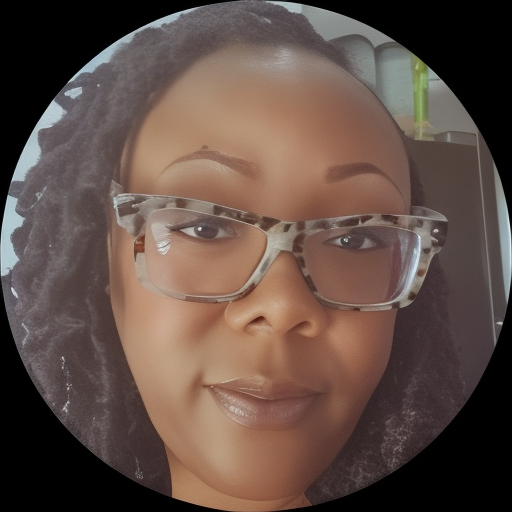
About Monique
Monique Foley is a licensed clinical social worker (LCSW) in Georgia who focuses on stress, anxiety, mood challenges, and self-esteem. She draws on five years of experience to offer practical support for day-to-day struggles and longer-term mood concerns. She helps people who are feeling overwhelmed by change or who are managing bipolar disorder and depression.
Sessions are aimed at making symptoms easier to handle and building clearer routines and coping steps.
Background and approach
Conversations are direct and respectful, with attention to each person’s pace and priorities. Monique pays particular attention to caregiver stress and the isolation that can come with heavy responsibilities. She works with people who want to feel more connected and regain confidence after life shifts.
The focus is on useful tools you can use between sessions. Her approach is collaborative: she listens, then tailors the plan to what matters most to the individual. That plan may include short-term strategies for immediate relief and longer-term habits to support mood and self-love.
Monique aims to make the process feel manageable rather than overwhelming. Many clients begin by naming one small goal to work toward. From there sessions track progress and adjust as needed.
She emphasizes practical steps, steady support, and treating people with sensitivity and respect.
Approach-focused online care for stress and mood
Monique uses evidence-based therapeutic techniques that focus on practical skills and mood regulation. One approach emphasizes identifying unhelpful thinking patterns and developing alternative, balanced thoughts to reduce anxiety and low mood; this helps people respond differently to stress and discouragement. Another approach centers on building routines and behavioral strategies to stabilize mood, increase motivation, and manage periods of low energy or bipolar mood changes; it is useful for everyday coping and tracking progress.Choosing the best approach is a joint process. The therapist will discuss goals, try techniques, and adjust what you do together based on what helps most. This collaborative process means the plan changes if something isn’t working and grows with your needs and preferences.
Online formats include video calls, phone sessions, live chat, and text-based messaging, which give flexibility for different schedules and tech setups. Video lets you talk face-to-face, phone calls need less bandwidth, live chat can offer quicker check-ins, and text messaging supports ongoing short reflections between sessions. These options make it easier to fit therapy into a busy life while keeping focus on steady progress and practical results.
Frequently asked questions
What concerns does she address?
What is her general therapeutic style?
What experience does she bring?
Where is she licensed and what are her credentials?
Which languages are supported for sessions?
What session formats are available?
How does cost and billing work?
How do I begin working with her?
Specialties and expertise
Top specialties
- Stress, Anxiety
- Self esteem
- Bipolar disorder
Also works with
- Experience
- 5 years
- Licensed
- Georgia
- Languages
- English