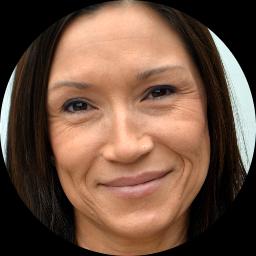
About Monica
Monica Gonzalez is a licensed clinical social worker in California with ten years of practice. She focuses on easing stress and anxiety and helping people rebuild self-esteem. Monica also supports clients dealing with grief, family conflict, and major life changes.
She centers sessions on the person in front of her. Monica uses Client-Centered Therapy to listen closely and help people find their own answers. She brings Solution-Focused Therapy into work when clients want clear steps and short-term goals to manage problems faster.
Background and approach
Monica also draws on Trauma-Focused Therapy when past events keep showing up in day-to-day life. In those moments she helps clients notice how the past affects current feelings and choices. She aims to make progress in ways that feel safe and manageable.
Her approach is straightforward. Monica helps people identify small, useful changes and practice them between sessions. She supports parents and caregivers who are juggling stress and responsibility as well as people facing loneliness, body image concerns, or challenges related to adoption and attachment.
Monica keeps language plain and practical in sessions. She works with clients to build coping tools they can use right away. The goal is clearer thinking, steadier emotions, and more confidence moving forward.
Therapeutic approaches adapted for online care
Client-Centered Therapy focuses on listening and meeting people where they are. In simple conversation the therapist reflects what matters most to the client and helps them discover their own path forward. This approach is helpful for people working through stress, low self-esteem, and relationship tension.Solution-Focused Therapy emphasizes practical steps and short-term goals. Sessions often identify one or two small changes that can make daily life easier and then track progress. This method works well for clients who want concrete tools to manage anxiety or cope with life changes.
Finding the right approach is part of the work together. The therapist will discuss options and try approaches that match the client's needs, goals, and personal pace. Decisions are made collaboratively so the plan fits the person rather than forcing a single method.
Online formats include video calls, phone sessions, live chat, and text-based messaging. Video lets people see nonverbal cues and hold longer sessions. Phone can be a good choice when bandwidth is limited or when someone prefers not to be on camera. Chat and messaging are useful for brief check-ins, between-session support, and people who prefer typing over speaking. These options make it easier to fit therapy into busy schedules and different lifestyles.
Frequently asked questions
What concerns does this therapist help with?
What is the therapy style like during sessions?
How much clinical experience does the therapist have?
What are the therapist's credentials and location?
Which languages are supported for sessions?
In what formats are sessions offered?
How are costs and billing handled?
What steps are required to begin therapy?
Specialties and expertise
Top specialties
- Stress, Anxiety
- Family conflicts
- Grief
Also works with
Therapeutic approaches
- Experience
- 10 years
- Licensed
- California
- Languages
- English