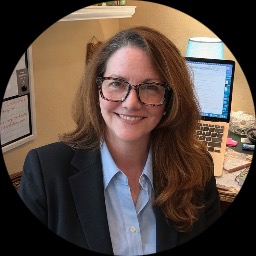
About Michelle
Michelle Lesesne-De Santis is a licensed clinical social worker in Florida who focuses on helping people build confidence and find direction. She draws on 25 years of practice to support clients facing motivation and self-esteem struggles. Her style is warm and respectful and aimed at practical change.
She uses plain conversation to learn what matters to each person. Sessions are shaped around individual goals, whether that means improving work confidence, navigating a major life change, or developing career strategies.
Background and approach
Michelle also offers coaching for professionals who want clearer direction at work. Her approach blends acceptance and commitment ideas with cognitive tools and narrative work. That mix helps people notice what matters, shift unhelpful thinking, and rewrite the stories they tell about themselves.
Mindfulness practices are used to steady attention and reduce reactivity. Michelle has worked with people dealing with compassion fatigue, body image concerns, and life transitions. She also supports those facing medical issues like cancer or traumatic brain injury, and people coping with isolation or midlife questions.
Communication problems, forgiveness, and finding life purpose are other common themes she addresses. Therapy sessions are adapted to each person’s pace and needs. Michelle explains options and creates a plan together.
The work is focused on practical steps and clearer daily routines that help people move toward the life they want.
How online approaches and practical tools work together
Acceptance and Commitment Therapy helps people notice what matters most and take small steps toward those values. It can be useful for decisions about career direction, life purpose, or coping with change. Cognitive Behavioral Therapy focuses on the link between thoughts, feelings, and actions and offers concrete exercises to reduce unhelpful thinking and build new habits. Client-Centered Therapy emphasizes a respectful, nonjudgmental relationship where the person leads the pace and focus of the work.Choosing the right approach is a collaborative process. The therapist will talk with the client about goals and preferences and try methods that feel helpful. Together they adjust the plan based on what works, mixing tools from different approaches when useful.
Online formats include video calls, phone sessions, live chat, and text-based messaging, which make regular work easier to fit in. Video lets people use face-to-face conversation when more connection is wanted. Phone sessions can be quicker when bandwidth is limited or a shorter check-in is needed. Live chat and text are useful for shorter exchanges, quick reflections, or when messaging between sessions helps maintain momentum. These options aim to make therapy practical and sustainable for everyday life.
Frequently asked questions
What issues does Michelle commonly address?
What is her general therapy style?
How much clinical experience does she have?
What credentials and where is she licensed?
Which languages are supported for sessions?
What session formats are available?
How does pricing work for sessions?
How do I begin the process?
Specialties and expertise
Top specialties
- Self esteem
- Career difficulties
- Coping with life changes
Also works with
Therapeutic approaches
- Experience
- 25 years
- Licensed
- Florida
- Languages
- English