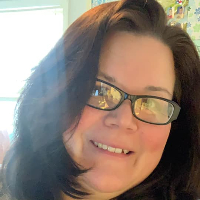
About Michelle
Michelle Kunick is a Licensed Clinical Social Worker who began clinical practice in 2018. She offers supportive, practical help for people facing addiction, trauma, grief, or relationship strain. Her approach centers on collaboration and on building strengths rather than labels.
In sessions she uses plain language and a warm, relational style. She focuses on changing unhelpful thoughts and patterns while teaching coping skills that fit day-to-day life. Michelle blends client-centered listening with structured strategies from cognitive approaches.
Background and approach
She often helps people handle intense stress, depression, anxiety, anger, and the effects of past abuse. She also works with concerns such as codependency, family of origin issues, and substance use. Her aim is to help people form new perspectives and healthier behaviors.
Michelle will tailor sessions to each person. She values respect, compassion, and kindness and works interactively rather than lecturing. Together with the person she sets goals and adjusts tools until they feel useful.
Her background as an LCSW informs a focus on practical change and emotional healing. Michelle believes people can recover and move toward a more balanced life. She supports each step of that process with encouragement and clear techniques.
Approaches that guide online sessions
Client-Centered Therapy focuses on listening and meeting the person where they are. It helps people feel heard and supported while they sort out goals and values. Cognitive Behavioral Therapy, or CBT, looks at the links between thoughts, feelings, and actions and teaches practical exercises to reduce depression and anxiety symptoms. Dialectical Behavior Therapy, or DBT, offers concrete skills for emotion regulation, distress tolerance, and improving communication when feelings run high.Finding the right approach happens together. The therapist will talk with each person about their goals and preferences. Then she will suggest trials of techniques and adapt the plan based on what helps most. This collaborative process aims to make therapy feel useful and manageable.
Online sessions are offered as video calls, phone sessions, live chat, or text-based messaging. Video calls let people work face-to-face without travel. Phone sessions can be easier when internet bandwidth is limited. Live chat and text are useful for brief check-ins, tracking progress, or fitting support into a busy day. These options provide flexibility so therapy can fit around work, family, and other demands.
Frequently asked questions
What concerns does Michelle commonly address?
How would you describe her therapeutic style?
What is her clinical background?
What credentials and location are listed?
Which languages and international clients are supported?
What session formats does she offer?
How is cost handled for sessions?
What do I do to begin working together?
Specialties and expertise
Top specialties
Also works with
- Abandonment
- Anger management
- Bipolar disorder
- Codependency
- Communication problems
- Coping with life changes
- Depression
- Domestic violence
- Drug and alcohol addiction
- Family conflicts
- Family of origin issues
- Family problems
- Forgiveness
- Guilt and shame
- Post-traumatic stress
- Relationship issues
- Self esteem
- Stress, Anxiety
- Veteran and Armed Forces Issues
Therapeutic approaches
- Experience
- 3 years
- Licensed
- Kentucky
- Languages
- English