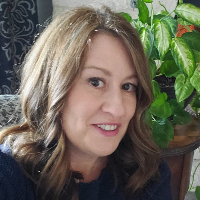
About Michelle
Michelle Hill is a licensed clinical social worker who brings eight years of practice to clients in Texas. She speaks plainly and focuses on helping people who feel stuck, anxious, grieving, overwhelmed, or burned out. Her approach centers on clear goals and steady steps toward change.
Michelle begins by listening to what matters most to each person. She helps clients name the changes they want, looks at the patterns keeping them stuck, and builds a simple plan to move forward.
Background and approach
Sessions are conversational and direct, with a mix of practical tools and reflection. She uses several evidence-informed approaches, choosing methods that fit each person’s needs. Michelle teaches skills for managing strong emotions, improving communication, and coping with life transitions.
She also supports people facing caregiver stress, grief, aging concerns, and career or relationship strain. Michelle uses mindfulness and acceptance strategies to help with anxiety and depression. She also draws on cognitive behavioral ideas to challenge unhelpful thoughts and DBT skills to manage intense feelings.
Client-centered work keeps the focus on each person’s values and goals. People who want clear steps, softer self-talk, and real-world skills tend to find her approach helpful. She aims to work collaboratively and practically, so clients leave sessions with something to try between meetings.
Michelle meets with people through video, phone, chat, or messaging to fit different schedules.
Therapeutic approaches and online care
Acceptance and Commitment Therapy (ACT) helps people clarify their values and take small actions that align with those values. It emphasizes accepting difficult thoughts and feelings while moving toward meaningful goals. Cognitive Behavioral Therapy (CBT) focuses on identifying and changing unhelpful thoughts and behaviors to reduce anxiety and depression. It gives concrete exercises to practice between sessions. Mindfulness Therapy teaches simple attention and breathing practices to lessen reactivity and improve focus during stressful moments.Choosing the right approach is part of the work. The therapist will collaborate with the client to decide which methods fit best based on needs, goals, and preferences. That process is flexible - methods can be adjusted as progress is made.
Online sessions are offered by video calls, phone sessions, live chat, or text-based messaging. Video is useful for face-to-face conversation and learning skills together. Phone sessions can be a good option when bandwidth is limited or when a quieter audio-only check-in is needed. Chat and messaging allow shorter check-ins, written reflections, and ongoing contact between meetings. These options make it easier to fit therapy into busy schedules and different daily routines.
Frequently asked questions
What kinds of concerns can be addressed in sessions?
What is her therapy style like?
How much experience does she have?
What credentials and location does she have?
Can sessions be conducted in other languages or internationally?
How are sessions delivered?
What does therapy cost?
How do I begin working with Michelle?
Specialties and expertise
Top specialties
Also works with
- Aging and geriatric issues
- Anger management
- Bipolar disorder
- Career difficulties
- Caregiver issues and stress
- Communication problems
- Compassion fatigue
- Coping with life changes
- Depression
- Family conflicts
- Family problems
- Guilt and shame
- Hospice and end-of-life counseling
- Intimacy-related issues
- Isolation / loneliness
- Midlife crisis
- Parenting issues
- Relationship issues
- Self-love
- Veteran and Armed Forces Issues
- Women's issues
Therapeutic approaches
- Experience
- 8 years
- Licensed
- Texas
- Languages
- English