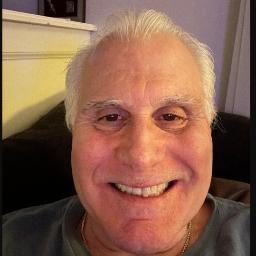
About Michael
Michael Vaillancourt is a licensed clinical social worker who uses evidence-based therapeutic techniques to help people manage stress, anxiety, trauma, grief, anger, and depression. He draws on twenty years of clinical experience to offer clear, practical support for everyday struggles. Michael writes in plain language and focuses on what will make a difference now.
He practices in New Jersey and holds the LCSW credential. In sessions Michael helps people untangle overwhelming thoughts and strong emotions.
Background and approach
He listens for patterns that keep problems repeating and works with clients to try small changes that add up. Conversations cover communication problems, life purpose, post-traumatic stress, social anxiety, and phobia when those issues are relevant. Michael has run both individual and group psychotherapy during his career.
That experience informs how he structures sessions to be steady and goal-oriented. He aims to make therapy feel manageable, with realistic steps between appointments. His approach is practical and collaborative.
He helps clients set priorities, practice new skills between meetings, and track what is or isn’t helping. Progress is measured in daily life changes rather than jargon. People working with Michael can expect straightforward talk and concrete tools.
He supports people as they test new ways of coping and communicating. His goal is to help clients find more ease in their routines and relationships.
Using Evidence-Based Techniques in Online Care
Michael draws on well-studied therapeutic techniques that focus on changing unhelpful thoughts and building new coping skills. One approach emphasizes recognizing and testing thoughts that feed anxiety or depression, which helps reduce overwhelming feelings and improve daily functioning. Another approach centers on exposure and graded practice for social anxiety and phobia, helping people face feared situations step by step so they gain confidence and reduce avoidance.Choosing the right approach is a collaborative process. The therapist and client discuss current struggles, goals, and what feels doable, then try methods that match those needs. Progress is checked together and adjustments are made when something isn’t working well.
Online sessions use video calls, phone sessions, live chat, or text-based messaging, offering flexibility to fit therapy into a busy life. Video calls let people maintain visual connection for deeper conversation, while phone sessions can work when internet bandwidth is limited. Live chat and text-based messaging make it easier to check in quickly or to work on skills between longer sessions. These options help people access consistent care around work, family, or travel commitments.
Frequently asked questions
What concerns does Michael commonly address?
What is his therapy style like?
How much clinical experience does he have?
What credentials and location are listed?
Which languages are offered and are international clients supported?
What session formats are available?
How is cost handled for sessions?
How do I begin working with him?
Specialties and expertise
Top specialties
Also works with
- Experience
- 20 years
- Licensed
- New Jersey
- Languages
- English