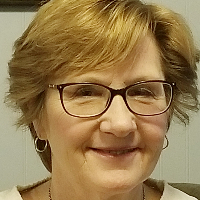
About Mary
Mary Miller is a Licensed Clinical Social Worker with 21 years of experience helping people cope with stress, anxiety, depression, grief, trauma, relationship strain, parenting challenges, and sleep or eating concerns. She works with individuals across life stages who are navigating major life changes, burnout, compassion fatigue, or mood disorders such as bipolar disorder.
Mary draws on practical strategies clients can use between sessions. Mary blends direct, down-to-earth conversation with evidence-informed tools.
Background and approach
She often uses Cognitive Behavioral Therapy to identify unhelpful thinking and shift behaviors. She brings in mindfulness practices to help clients manage anxiety and stay grounded. Trauma-focused methods are used when past harm affects daily life.
Her approach is collaborative and plainspoken. Sessions focus on what is useful now - coping skills, clearer communication, more predictable sleep, or steps to reduce overwhelm. Homework is practical and sized to fit busy lives.
Mary trained at Aurora University and holds LCSW licensure in Illinois and Montana, and she lives and practices in Indiana. Her background includes work with students in school and community settings, and time on the Blackfeet Reservation where she provided counseling in a small school. She prioritizes a balance of talk and actionable change.
Clients who want to address grief, past abuse, parenting strain, first-responder stress, gender dysphoria concerns, or postpartum mood changes may find her style helpful. Mary aims to help people build routines and tools that support daily mental and physical wellbeing.
Therapeutic approaches and online care
Mary often uses Cognitive Behavioral Therapy to help people notice thoughts and behaviors that keep problems going, then try small changes to see what helps. CBT can be useful for anxiety, depression, sleep problems, and managing mood symptoms. She also brings in Mindfulness Therapy to teach simple attention and breathing practices that reduce reactivity and help with stress and grief.Choosing the right approach is a team effort. The therapist will talk with the client about goals, try methods that fit their daily life, and adjust the plan as progress unfolds. That collaborative process helps match tools to what feels most useful for each person.
Online therapy offers several practical benefits for this work. Video calls allow face-to-face conversation for skill teaching and deeper talk. Phone sessions can be a good option when bandwidth is limited or a shorter check-in is needed. Live chat and text-based messaging make it easier to share quick updates, get coaching between sessions, or work through moments of distress in real time. These options help people fit therapy into busy schedules and keep momentum between meetings.
Frequently asked questions
What concerns does Mary help people with?
How would you describe her therapy style?
What is her clinical background?
What credentials and location are listed?
Which languages are supported and can international clients connect?
In what formats are sessions offered?
How does pricing and payment work?
What are the first steps to begin therapy?
Specialties and expertise
Top specialties
- Stress, Anxiety
- Relationship issues
- Trauma and abuse
Also works with
- Anger management
- Bipolar disorder
- Compassion fatigue
- Coping with life changes
- Depression
- Eating disorders
- Family conflicts
- First responder issues
- Gender dysphoria
- Grief
- Hospice and end-of-life counseling
- Parenting issues
- Postpartum depression
- Seasonal Affective Disorder (SAD)
- Self esteem
- Self-harm
- Sexual assault and abuse
- Sleeping disorders
- Young adult issues
Therapeutic approaches
- Experience
- 21 years
- Licensed
- Illinois, Montana, Indiana
- Languages
- English