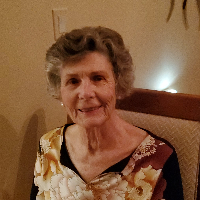
About Mary
Mary Anne Ruane is a licensed clinical social worker with three decades of experience helping people tackle stress, anxiety, addictions, depression, and life transitions. She works with individuals on relationship and intimacy concerns, grief, anger, self-esteem, parenting strain, and eating or substance-related problems. Her practice also addresses trauma and abuse, bipolar symptoms, and workplace-related difficulties.
She keeps sessions straightforward and practical. Conversations focus on current struggles and clear steps that can be tried between meetings.
Background and approach
She explains options in plain language and adapts her plan to each person’s needs and comfort level. Mary Anne often uses short-term strategies alongside deeper work. She blends Cognitive Behavioral Therapy with solution-focused methods to identify patterns and try small, testable changes.
When appropriate, she offers hypnotherapy and motivational interviewing as additional tools to help with habit change and recovery from addictions. Clients can expect a calm, task-oriented style that balances symptom relief with longer-term coping skills. She draws on many years helping people with phobias, panic, OCD patterns, codependency, and process addictions such as gambling or exercise compulsion.
Based in New Jersey, Mary Anne brings practical experience supporting people through major life shifts and persistent struggles. Her approach aims to reduce immediate distress while building skills people can use on their own over time.
Approaches that translate well to online therapy
Mary Anne commonly uses Cognitive Behavioral Therapy and Motivational Interviewing in her work. CBT helps people identify unhelpful thoughts and try new behaviors in small steps, which suits anxiety, depression, panic, and OCD patterns. Motivational Interviewing focuses on building a person’s own reasons for change and can be useful for addictions and ambivalence about new habits.Finding the right approach is part of the process. The therapist will talk with each person about their goals and preferences, then suggest methods to try. That plan can change as progress is made, so clients help shape the course of treatment collaboratively.
Online formats include video calls, phone sessions, live chat, and text-based messaging. Video sessions allow face-to-face interaction for skills practice, phone calls work well when bandwidth is limited, live chat can be a quicker check-in, and messaging supports shorter reflections between sessions. These options offer flexibility to fit therapy into busy schedules and different day-to-day needs.
Frequently asked questions
What concerns does this therapist commonly address?
What is her therapeutic style like?
How much experience does she have?
What credentials and location are listed?
Which languages are sessions offered in?
What session formats are available?
How is cost handled for sessions?
How do I begin working with her?
Specialties and expertise
Top specialties
Also works with
- Aging and geriatric issues
- Anger management
- Bipolar disorder
- Codependency
- Communication problems
- Coping with life changes
- Depression
- Drug and alcohol addiction
- Eating and food-related issues
- Eating disorders
- Family conflicts
- Grief
- Guilt and shame
- Intimacy-related issues
- Obsessions, compulsions, and OCD
- Panic disorder and panic attacks
- Parenting issues
- Phobias
- Process addiction (porn, exercise, gambling)
- Relationship issues
- Self esteem
- Social anxiety and phobia
- Trauma and abuse
- Workplace issues
Therapeutic approaches
- Experience
- 30 years
- Licensed
- New Jersey
- Languages
- English