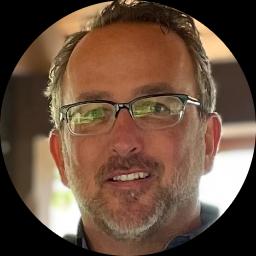
About Mark
Mark Lawless is a licensed clinical social worker in Connecticut with 25 years of experience. He helps people who are struggling with addictions, low self-esteem, depression, and big life changes. He also supports those feeling isolated or burned out from caregiving and compassion fatigue.
He works in a direct and practical way. Sessions focus on what is happening now and on small steps that can make a difference. He emphasizes a person’s strengths and past successes to build confidence and motivation.
Background and approach
Mark draws on experience with the 12 Step recovery community and with professionals who face heavy caregiving demands. He listens for what matters most to each person and tailors the work to fit their goals. Conversations often include ways to manage cravings, build healthier routines, or handle shifting roles.
Therapy with him is collaborative. He asks questions, offers ideas, and checks in about what feels useful. Many people come away with clearer choices and simple tools to use between sessions.
To start, he suggests a brief matching process that leads to scheduling a first session. That initial step helps make sure the plan fits the person’s needs and availability.
Approaches that guide online sessions
Many of his sessions use evidence-based techniques focused on practical change. One common approach emphasizes structured problem-solving and behavioral changes to reduce addictive patterns and lift mood. This involves identifying triggers, practicing new habits, and tracking small wins over time.He also draws on strengths-based work that helps people rebuild self-esteem and motivation. That approach highlights past successes, clarifies personal values, and sets achievable goals to restore confidence in daily life.
Choosing the right approach is a joint process. He begins by asking about needs, goals, and what has helped or not helped before. Together the therapist and client try methods and adjust them based on what feels most useful and realistic.
Online sessions are offered by video call, phone, live chat, or text-based messaging to increase flexibility. Video sessions let people work face-to-face from different locations. Phone sessions can be a good fit when bandwidth is limited or a shorter check-in is enough. Chat and text are handy for quick updates, brief coaching, or when someone prefers not to use audio or video. These options make it easier to fit therapy into a busy life and keep continuity between appointments.
Frequently asked questions
What concerns does Mark commonly help with?
How would you describe his therapeutic style?
What kind of experience does he bring?
What are his credentials and where is he located?
Which languages are supported for sessions?
What session formats are available?
How does payment and cost work?
What are the steps to begin working together?
Specialties and expertise
Top specialties
- Experience
- 25 years
- Licensed
- Connecticut
- Languages
- English